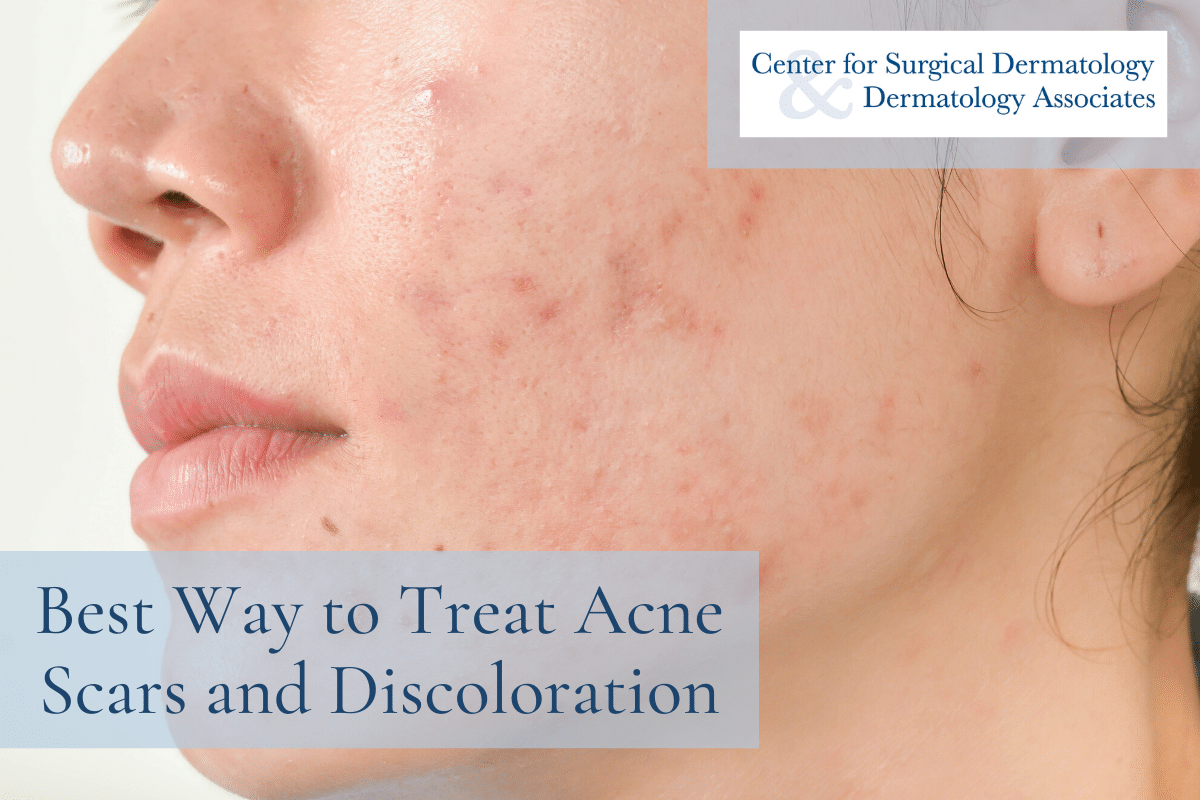
Have you struggled with acne in the past and are now left with stubborn scars? If so, this article is exactly what you need. “How To Remove Acne Scars: Effective Techniques For Clear Skin” has all the answers you’ve been looking for. In this informative piece, we will explore various techniques that have proven to be effective in removing acne scars and achieving a flawless complexion. Say goodbye to those frustrating reminders of past breakouts and say hello to clear and radiant skin.
Causes of Acne Scars
Acne scars are a common concern for many people, and understanding the causes behind their formation can help in finding effective solutions. One of the main culprits of acne scars is the inflammation caused by acne breakouts. When a pimple or acne lesion forms, it puts pressure on the surrounding skin, causing damage to the tissue and leading to the formation of a scar. The severity of the acne breakout also plays a role in scar formation, as more severe and deeper acne can cause more significant damage to the skin.
Formation of Acne Scars
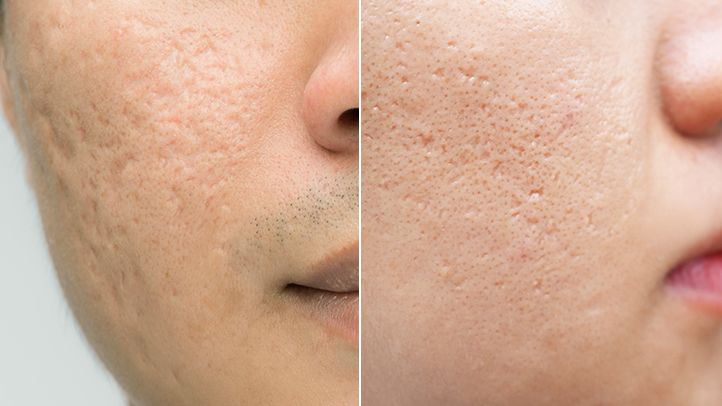
Acne scars form when the skin attempts to repair itself after being damaged by an acne breakout. During the inflammatory process, the body produces collagen, a protein responsible for maintaining the skin’s structure. However, in some cases, the body produces too much or too little collagen, resulting in an uneven healing process and the formation of scars. The two most common types of acne scars are atrophic scars, which are characterized by depressions in the skin, and hypertrophic scars, which are raised and often thickened.
Types of Acne Scars
-
Atrophic Scars: These scars are characterized by the loss of tissue, resulting in depressions or indentations in the skin. There are three main types of atrophic scars: ice pick scars, boxcar scars, and rolling scars. Ice pick scars are deep, narrow scars that resemble small puncture marks. Boxcar scars have well-defined edges and a wider, box-like shape. Rolling scars have a wave-like appearance and are caused by bands of scar tissue pulling the skin downward.
-
Hypertrophic Scars: Unlike atrophic scars, hypertrophic scars are raised and often thickened. They occur when the body produces an excess amount of collagen during the healing process. Hypertrophic scars can be red, pink, or flesh-colored, and may cause itching or discomfort. These scars typically stay within the boundaries of the original acne lesion.
Prevention and Early Treatment
While it’s difficult to prevent acne breakouts entirely, there are steps you can take to minimize the chances of developing acne scars and treat them at an early stage.
Proper Skin Care Routine
A proper skin care routine is crucial in preventing and minimizing acne scars. Cleansing the face twice a day with a gentle cleanser helps remove dirt, oil, and bacteria that can clog the pores and contribute to acne breakouts. Using a mild exfoliant can help remove dead skin cells and prevent the buildup of acne-causing bacteria. It’s important to choose products that are suitable for your skin type and do not strip the skin of its natural oils, as this can lead to further irritation.
Avoiding Picking or Squeezing
As tempting as it may be, picking or squeezing acne lesions can worsen inflammation and increase the risk of scarring. The pressure exerted during these actions can cause further damage to the skin and disrupt the healing process. If you have acne, it’s best to avoid touching or picking at the affected areas to minimize the chances of scarring.
Using Non-Comedogenic Products
Using non-comedogenic products is essential in preventing acne breakouts and reducing the risk of scarring. Non-comedogenic products are designed to not clog the pores, which can contribute to the formation of acne. Look for products labeled as non-comedogenic, oil-free, or water-based when choosing skincare and makeup products to keep your skin clear and healthy.
Managing Acne Breakouts
Managing acne breakouts is crucial in preventing the development of acne scars. It’s important to keep the skin clean and free from excess oil and bacteria. Over-the-counter acne treatments containing ingredients like benzoyl peroxide or salicylic acid can help in controlling acne breakouts. If your acne is severe or persistent, it’s recommended to consult a dermatologist for further evaluation and treatment options.
Home Remedies for Acne Scars
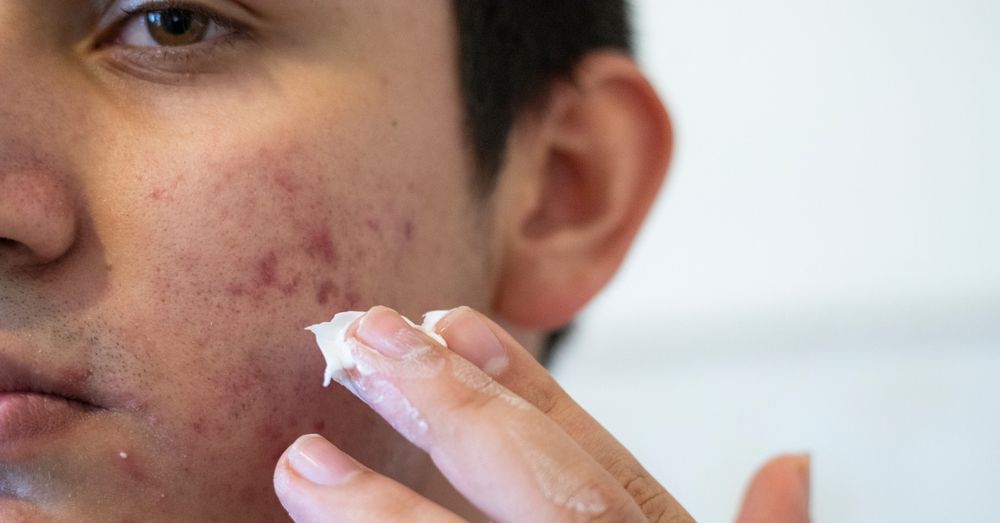
While there is no magic cure for acne scars, several home remedies can help in fading their appearance and promoting skin healing.
Lemon Juice
Lemon juice is known for its natural bleaching properties and can help reduce the appearance of acne scars. It contains vitamin C, which promotes collagen production and helps in improving skin texture. To use lemon juice on acne scars, simply squeeze fresh lemon juice and apply it to the affected areas using a cotton ball. Leave it on for about 10 minutes, then rinse it off with warm water. It’s important to note that lemon juice can make your skin more sensitive to sunlight, so wearing sunscreen is essential after using this remedy.
Aloe Vera
Aloe vera is a soothing and healing ingredient that can help in fading acne scars. It has anti-inflammatory properties that promote skin regeneration and reduce redness. To use aloe vera on acne scars, cut open an aloe vera leaf and extract the gel. Apply the gel directly to the affected areas and leave it on for about 30 minutes before rinsing it off with water. Repeat this process daily for best results.
Honey
Honey is a natural moisturizer and has antibacterial properties that can help in reducing the risk of infection in acne scars. It also contains antioxidants that promote skin healing. To use honey on acne scars, apply a thin layer of raw honey directly to the scars and leave it on for about 15-20 minutes. Rinse it off with warm water and pat your skin dry. Regular use of honey on acne scars can help in improving their appearance over time.
Coconut Oil
Coconut oil is a popular natural remedy for a variety of skin conditions, including acne scars. It contains fatty acids that help moisturize the skin and promote collagen production. Apply a thin layer of organic, extra virgin coconut oil to the acne scars and gently massage it into the skin. Leave it on overnight, or for at least 30 minutes, before rinsing it off. Regular use of coconut oil can help in fading acne scars and improving overall skin texture.
Rosehip Seed Oil
Rosehip seed oil is rich in vitamins A, C, and E, as well as essential fatty acids, which help in promoting skin regeneration and reducing the appearance of acne scars. Apply a few drops of rosehip seed oil to the acne scars and gently massage it into the skin until fully absorbed. Leave it on overnight and rinse it off in the morning. Regular use of rosehip seed oil can help in fading acne scars and improving skin tone.
Apple Cider Vinegar
Apple cider vinegar has antibacterial and exfoliating properties that can help in fading acne scars. It also helps in balancing the skin’s pH levels and reducing redness. Mix equal parts of apple cider vinegar and water, and apply the mixture to the acne scars using a cotton ball. Leave it on for about 5-10 minutes, then rinse it off with water. It’s important to dilute apple cider vinegar before applying it to the skin, as it can be too strong in its undiluted form.
Baking Soda
Baking soda has exfoliating properties that can help in removing dead skin cells and promoting the growth of new, healthy skin cells. Mix a small amount of baking soda with water to create a paste, and apply it to the acne scars. Gently massage the paste into the skin for about 1-2 minutes, then rinse it off with water. Baking soda can be drying to the skin, so it’s recommended to moisturize after using this remedy.
Turmeric
Turmeric has anti-inflammatory and antioxidant properties that can help in reducing the appearance of acne scars. Mix a small amount of turmeric powder with water or honey to form a paste, and apply it to the acne scars. Leave it on for about 15-20 minutes, then rinse it off with warm water. Turmeric can stain the skin temporarily, so it’s important to rinse it off thoroughly.
Remember that home remedies may take time to show visible results, and it’s essential to be consistent and patient with their use. If your acne scars are severe or do not improve with home remedies, it’s recommended to consult a dermatologist for further evaluation and treatment options.
Over-the-Counter Products for Acne Scars
In addition to home remedies, there are several over-the-counter products available that can help in fading acne scars and improving overall skin texture. These products often contain ingredients that promote collagen production, exfoliation, and skin regeneration.
Topical Creams with Retinoids
Retinoids, derived from vitamin A, are commonly used in skincare products for their ability to promote cell turnover and collagen production. These creams can help in fading acne scars by stimulating the growth of new skin cells and improving skin texture. It’s important to start with a low concentration of retinoids and gradually increase the dosage to avoid skin irritation. It’s also recommended to use retinoids at night and follow up with sunscreen during the day, as they can make the skin more sensitive to sunlight.
Vitamin C Serums
Vitamin C serums are often used as a remedy for acne scars due to their ability to brighten the skin and promote collagen production. These serums contain a high concentration of vitamin C and antioxidants, which help in reducing hyperpigmentation and improving skin texture. Apply a few drops of vitamin C serum to the acne scars and gently massage it into the skin until fully absorbed. It’s important to store vitamin C serums in a cool, dark place to maintain their potency.
Alpha Hydroxy Acid Products
Alpha hydroxy acids (AHAs) are commonly found in skincare products, such as cleansers, toners, and serums, for their exfoliating properties. AHAs help in removing dead skin cells and promoting the growth of new skin cells, which can improve the appearance of acne scars. It’s important to start with a low concentration of AHAs and gradually increase the dosage to avoid skin irritation. It’s also recommended to use sunscreen during the day when using AHAs, as they can make the skin more sensitive to sunlight.
Hydroquinone Creams
Hydroquinone is a skin-lightening ingredient commonly used in creams and lotions to reduce hyperpigmentation, including acne scars. Hydroquinone works by inhibiting the production of melanin, the pigment responsible for dark spots and discoloration. Apply a thin layer of hydroquinone cream to the acne scars and gently massage it into the skin until fully absorbed. It’s important to follow the instructions provided by the manufacturer and avoid using hydroquinone for an extended period, as it can cause skin irritation.
Silicone Gel Sheets
Silicone gel sheets are a popular option for treating acne scars, especially hypertrophic scars. These sheets create a protective barrier on the skin, locking in moisture and creating an optimal environment for healing. Silicone gel sheets can help in flattening and softening the appearance of acne scars over time. Simply cut the gel sheet to the size of the acne scar and apply it to the clean, dry skin. Leave it on for the recommended duration and replace it with a new sheet as needed.
It’s important to note that over-the-counter products may not work for everyone, and individual results may vary. If your acne scars are severe or do not improve with over-the-counter products, it’s recommended to consult a dermatologist for further evaluation and treatment options.
Professional Treatments for Acne Scars
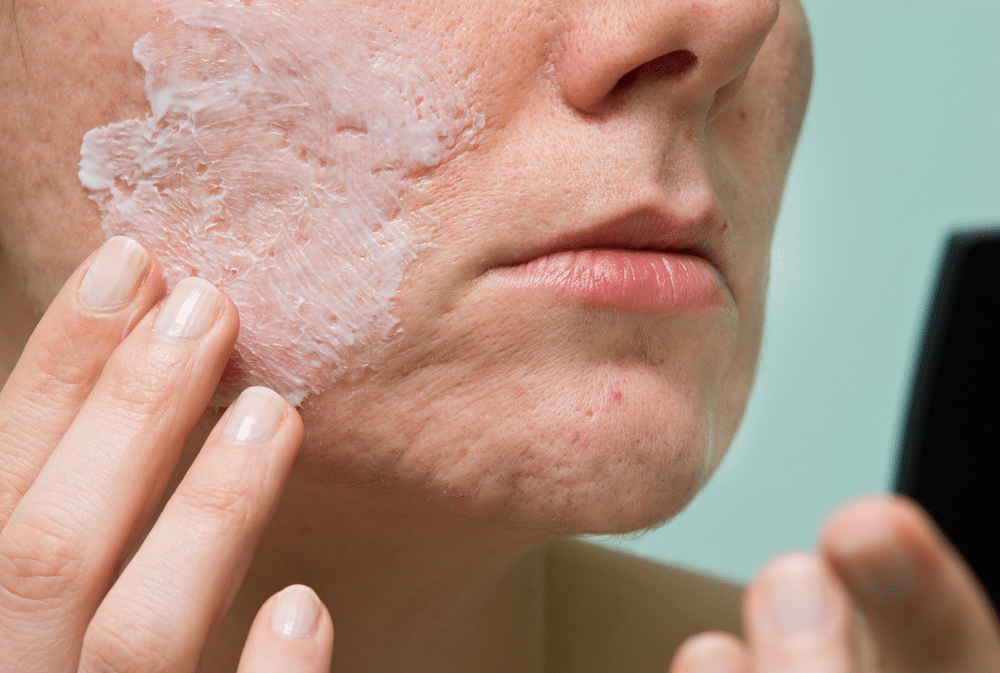
If home remedies and over-the-counter products do not provide satisfactory results, there are several professional treatments available that can help in reducing the appearance of acne scars. These treatments are typically performed by a dermatologist or a qualified skincare professional.
Chemical Peels
Chemical peels involve the application of a chemical solution to the skin, which exfoliates the outermost layer and promotes the growth of new, healthy skin cells. Chemical peels can help in reducing the appearance of acne scars by improving skin texture and promoting collagen production. There are different types of chemical peels available, ranging from superficial peels to deep peels, depending on the severity of the scars. It’s important to consult a dermatologist to determine the most suitable type and strength of chemical peel for your specific needs.
Microdermabrasion
Microdermabrasion is a non-invasive exfoliating treatment that uses a device to gently remove the outer layer of dead skin cells. This treatment can help in improving the appearance of acne scars by promoting skin regeneration and collagen production. Microdermabrasion is often performed in a series of sessions to achieve optimal results. It’s important to follow the aftercare instructions provided by the skincare professional and protect the treated skin from sun exposure.
Microneedling
Microneedling, also known as collagen induction therapy, is a minimally invasive treatment that involves making tiny punctures in the skin with a specialized device. These micro-wounds stimulate the body’s natural healing process and promote the production of collagen and elastin, which can help in reducing the appearance of acne scars. Microneedling is typically performed in a series of sessions, and the results gradually improve over time. It’s important to have microneedling performed by a qualified professional to ensure safety and effectiveness.
Laser Therapy
Laser therapy is a popular option for treating acne scars due to its ability to target specific areas of the skin and stimulate collagen production. Different types of lasers can be used, depending on the type and severity of the scars. Laser therapy can help in improving the texture, color, and overall appearance of acne scars. It’s important to consult a dermatologist to determine the most suitable type of laser treatment for your specific needs.
Dermabrasion
Dermabrasion is a surgical procedure that involves the removal of the outermost layer of the skin using a high-speed rotary instrument. This procedure helps in smoothening the skin’s surface and reducing the appearance of acne scars. Dermabrasion is typically performed under local anesthesia and may require a period of downtime for healing. It’s important to consult a dermatologist to determine if dermabrasion is a suitable option for your specific needs.
Punch Excision
Punch excision is a surgical procedure that involves the removal of individual acne scars by using a small, round tool to cut out the scarred tissue. The resulting wound is then closed with sutures, allowing the skin to heal and create a smoother surface. Punch excision is typically used for deep, narrow scars, such as ice pick scars. It’s important to consult a dermatologist to determine if punch excision is a suitable option for your specific needs.
Professional treatments for acne scars may require multiple sessions and vary in terms of cost, downtime, and potential side effects. It’s important to consult a dermatologist to determine the most suitable treatment option for your specific needs and to discuss any potential risks or concerns.
Natural Remedies to Fade Acne Scars
In addition to home remedies and professional treatments, several natural remedies can help in fading acne scars and improving overall skin health. These remedies are often readily available and can be used as part of a regular skincare routine.
Rosewater
Rosewater is a natural toner that helps in balancing the skin’s pH levels and reducing redness. It also has soothing and hydrating properties, which can help in promoting skin healing and reducing the appearance of acne scars. Simply soak a cotton pad with rosewater and gently apply it to the acne scars. Leave it on for a few minutes, then rinse it off with water. Regular use of rosewater can help in fading acne scars and improving skin tone.
Tea Tree Oil
Tea tree oil has antibacterial and anti-inflammatory properties that can help in reducing acne breakouts and minimizing the risk of scarring. It also promotes skin healing and can help in fading existing acne scars. Mix a few drops of tea tree oil with a carrier oil, such as coconut oil or jojoba oil, and apply it to the acne scars. Gently massage the oil into the skin until fully absorbed. Repeat this process daily for best results.
Olive Oil
Olive oil is a natural moisturizer that can help in hydrating the skin and reducing the appearance of acne scars. It contains antioxidants that promote skin healing and has anti-inflammatory properties that can help in reducing redness and swelling. Apply a few drops of extra virgin olive oil to the acne scars and gently massage it into the skin until fully absorbed. It’s important to choose high-quality, organic olive oil for best results.
Cucumber
Cucumber has soothing and hydrating properties that can help in reducing inflammation and promoting the healing of acne scars. It also contains antioxidants and vitamins that can improve overall skin health. Cut a fresh cucumber into slices and place them directly onto the acne scars. Leave them on for about 15-20 minutes, then rinse your face with water. Regular use of cucumber slices can help in fading acne scars and refreshing the skin.
Tomato
Tomato is rich in antioxidants and vitamins that promote skin health and can help in fading acne scars. It also has astringent properties that help in tightening the pores and reducing oiliness. Cut a ripe tomato into slices and apply them directly onto the acne scars. Leave them on for about 15-20 minutes, then rinse your face with water. Regular use of tomato slices can help in improving the appearance of acne scars and brightening the skin.
Potato Slices
Potato slices have natural bleaching properties that can help in reducing the appearance of acne scars. They also contain enzymes that promote skin healing and reduce inflammation. Cut a raw potato into thin slices and place them directly onto the acne scars. Leave them on for about 15-20 minutes, then rinse your face with water. Regular use of potato slices can help in fading acne scars and improving overall skin texture.
Green Tea
Green tea is rich in antioxidants that can help in reducing inflammation and improving skin health. It also contains tannins that help in tightening the skin and reducing oiliness. Steep a green tea bag in hot water for a few minutes, then remove the bag and let it cool. Apply the cooled tea bag directly onto the acne scars and leave it on for about 15-20 minutes. Rinse your face with water afterward. Regular use of green tea bags can help in fading acne scars and soothing the skin.
Oatmeal
Oatmeal has soothing and exfoliating properties that can help in reducing inflammation and promoting the healing of acne scars. It also helps in removing dead skin cells and improving overall skin texture. Mix a small amount of oatmeal with water to create a paste, and apply it to the acne scars. Gently massage the paste into the skin for about 1-2 minutes, then rinse it off with water. Regular use of oatmeal paste can help in fading acne scars and improving skin tone.
Natural remedies can be a safe and affordable option for fading acne scars and improving overall skin health. However, it’s important to note that individual results may vary, and these remedies may take time to show visible improvements. If your acne scars are severe or do not improve with natural remedies, it’s recommended to consult a dermatologist for further evaluation and treatment options.
Lifestyle Changes for Acne Scar Reduction
In addition to topical treatments and skincare routines, certain lifestyle changes can help in reducing the appearance of acne scars and improving overall skin health.
Healthy Diet and Hydration
Eating a balanced diet rich in fruits, vegetables, whole grains, and lean proteins can contribute to healthy skin and reduce the risk of acne breakouts. Avoiding processed foods, sugary snacks, and greasy fried foods can help in maintaining clear skin. Staying hydrated by drinking an adequate amount of water each day also helps in keeping the skin hydrated and promoting skin healing.
Regular Exercise
Regular exercise promotes blood circulation and oxygen flow to the skin, which can help in promoting skin healing and reducing inflammation. Engaging in activities like jogging, yoga, or swimming can also help in relieving stress, which is known to contribute to acne breakouts. However, it’s important to shower and cleanse the skin after exercise to remove sweat and bacteria that can clog the pores.
Adequate Sleep and Stress Management
Getting enough sleep is crucial in allowing the body to repair and regenerate the skin. Lack of sleep can increase stress levels, which can trigger acne breakouts and exacerbate the appearance of acne scars. It’s important to practice good sleep hygiene and establish a consistent sleep routine. Additionally, managing stress through techniques like meditation, deep breathing exercises, or engaging in hobbies can help in reducing the risk of acne breakouts and promoting overall skin health.
Avoiding Sun Exposure
Excessive sun exposure can worsen the appearance of acne scars and lead to hyperpigmentation. It’s important to protect the skin from the sun by wearing sunscreen with a high SPF and seeking shade during peak hours. Wearing protective clothing, such as wide-brimmed hats and long-sleeved shirts, can also help in preventing sun damage. If you have acne scars, it’s recommended to consult a dermatologist for guidance on the most suitable sunscreen for your specific needs.
Quitting Smoking
Smoking is known to contribute to various skin problems, including acne breakouts and delayed wound healing. The chemicals in cigarettes can affect collagen production and blood circulation, which can impair the skin’s ability to heal and regenerate. Quitting smoking can improve overall skin health and reduce the risk of developing acne scars.
By making these lifestyle changes, you can support your skin’s natural healing process and reduce the risk of developing acne scars. While these changes may not eliminate existing scars entirely, they can contribute to overall skin health and prevent future scarring.
Camouflaging Acne Scars with Makeup
If you prefer a more immediate solution for reducing the visibility of acne scars, makeup can be a helpful tool. By selecting the right products and using proper application techniques, you can effectively conceal acne scars and achieve a smoother, more even complexion.
Preparing the Skin
Before applying makeup, it’s important to properly cleanse and moisturize the skin. Begin by using a gentle cleanser to remove any dirt, oil, or residue. Follow this with a moisturizer suitable for your skin type to ensure a smooth canvas. It’s important to allow the moisturizer to fully absorb into the skin before proceeding with makeup application.
Choosing the Right Products
Choose makeup products that are specifically formulated for acne-prone or sensitive skin types. Look for non-comedogenic products that won’t clog the pores or exacerbate acne breakouts. Avoid heavy or oil-based foundations and opt for lightweight formulas with buildable coverage. Consider using color-correcting products to neutralize any discoloration caused by acne scars. Green color correctors can help counteract redness, while peach or orange correctors can counteract dark spots or hyperpigmentation.
Application Techniques
Begin by applying a primer to create a smooth base and help the makeup adhere better to the skin. Use a small, dense brush or a sponge to apply foundation to the areas of the face with acne scars. Start with a small amount of product and gradually build up the coverage as needed. Use tapping or stippling motions to blend the foundation into the skin, focusing on the scarred areas. Set the foundation with a light dusting of translucent powder to increase its longevity. To further conceal any remaining discoloration, use a small brush to apply a creamy concealer directly to the scars and gently blend it out. Finish the makeup look with a light dusting of setting powder and any additional makeup products as desired.
Remember to always remove makeup at the end of the day using a gentle cleanser to prevent the buildup of product and potential clogging of the pores.
Professional Cosmetic Procedures
If you’re looking for more long-term and dramatic results in reducing the appearance of acne scars, several professional cosmetic procedures can be considered. These procedures are performed by qualified professionals and may require multiple sessions for optimal results.
Microdermabrasion
Microdermabrasion, as mentioned earlier, is a non-invasive exfoliating treatment that uses a device to gently remove the outer layer of dead skin cells. This procedure can help in improving the appearance of acne scars by promoting skin regeneration and collagen production.
Chemical Peels
Chemical peels, also discussed earlier, involve the application of a chemical solution to the skin to exfoliate the outermost layer. Different types of chemical peels can be used, depending on the severity of the scars and desired results.
Dermabrasion
Dermabrasion, mentioned earlier, is a surgical procedure that involves the mechanical removal of the outer layer of the skin using a high-speed rotary instrument. This procedure helps in smoothening the skin’s surface and reducing the appearance of acne scars.
Laser Resurfacing
Laser resurfacing is a cosmetic procedure that uses a laser to remove the damaged skin layer and stimulate collagen production. This treatment helps in improving skin texture and reducing the appearance of acne scars. Different types of lasers can be used depending on the individual’s specific needs.
Filler Injections
Filler injections involve the injection of collagen or hyaluronic acid-based fillers into the acne scars to plump up the depressed areas and create a smoother skin surface. This treatment helps in reducing the visibility of acne scars and can provide immediate results, although the effects are temporary and require regular touch-ups.
It’s important to consult a qualified dermatologist or skincare professional to determine the most suitable cosmetic procedure based on your specific needs and skin condition.
Consulting a Dermatologist
If you’re struggling with acne scars and have not found satisfactory results with home remedies, over-the-counter products, or professional cosmetic procedures, consulting a dermatologist is highly recommended. A dermatologist can evaluate the severity of your acne scars and create a personalized treatment plan tailored to your specific needs.
Evaluating the Severity of Scarring
A dermatologist will assess the severity of your acne scars by examining the texture, depth, and overall appearance of the scars. They may also take into account your medical history, previous treatment attempts, and lifestyle factors that may be contributing to the scarring.
Creating a Personalized Treatment Plan
Based on the evaluation, a dermatologist will create a personalized treatment plan that may include a combination of home remedies, over-the-counter products, professional treatments, and lifestyle modifications to achieve the best possible results. They can guide you through the process and recommend the most suitable options for your specific needs and goals.
Understanding Risks and Side Effects
A dermatologist will explain the potential risks and side effects associated with various treatment options and help you make an informed decision. They will provide detailed instructions on how to properly use any prescribed medications or treatments and monitor your progress throughout the treatment process.
Follow-up Care and Maintenance
After initiating a treatment plan, it’s important to follow up with your dermatologist regularly to assess the progress, address any concerns, and make any necessary adjustments to the treatment plan. They can provide guidance on post-treatment care, maintenance routines, and lifestyle modifications to optimize the results and prevent further scarring.
Remember that each individual’s journey in treating acne scars is unique, and results may vary. It’s important to be patient, consistent, and diligent in following the recommended treatment plan. With the help and guidance of a dermatologist, you can take steps towards achieving clearer, healthier-looking skin.