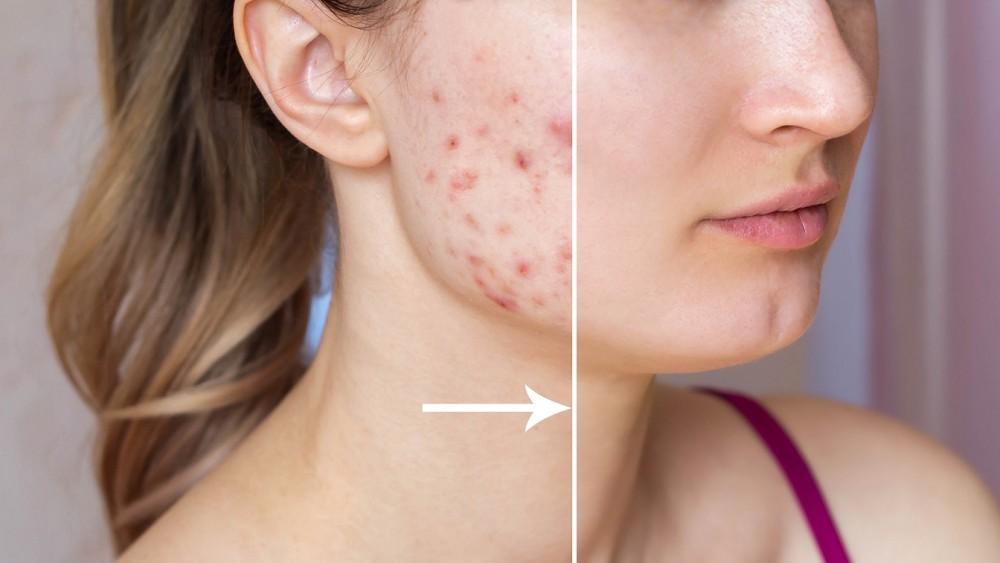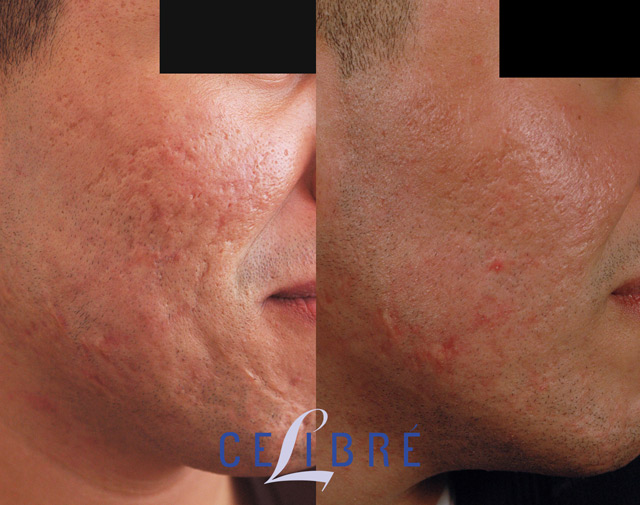
If you’ve ever struggled with acne, you know that it can leave behind stubborn scars that can be difficult to get rid of. But fear not, because in this article, you will discover a range of effective strategies that can help you bid farewell to those pesky acne scars once and for all. Whether you’re dealing with dark spots, pitted scars, or raised bumps, these tried-and-true techniques will guide you towards smooth and radiant skin. Say goodbye to acne scars and hello to a renewed sense of confidence!
Understanding Acne Scars
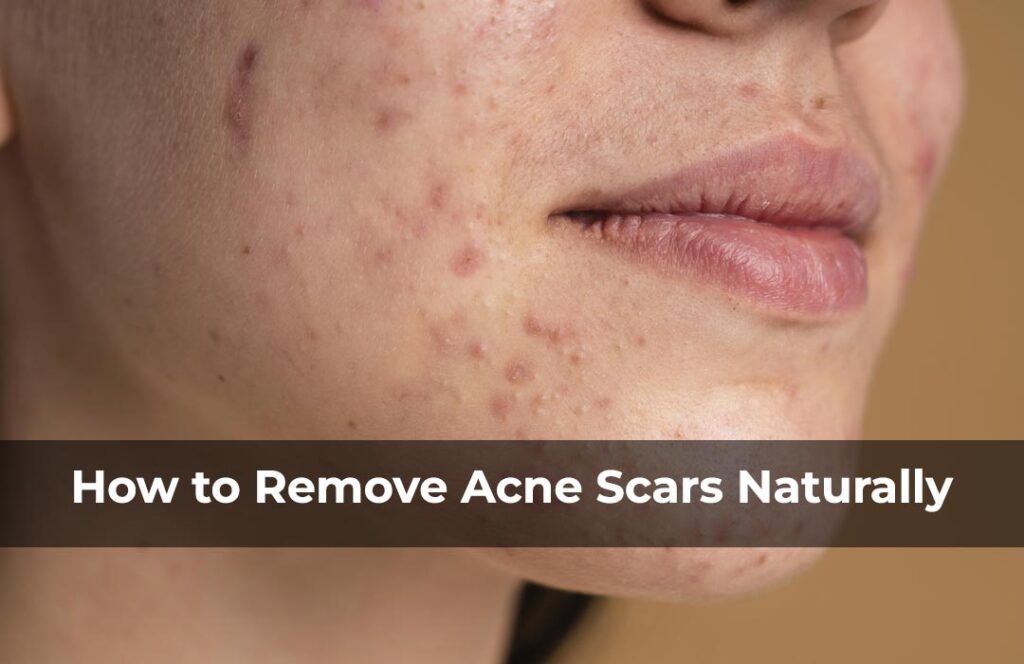
Acne scars can be a frustrating and often painful reminder of past breakouts. Understanding the different types of acne scars, the causes behind their formation, and the factors that can affect their development is key to finding effective strategies for treating and reducing their appearance.
Different Types of Acne Scars
There are several types of acne scars that can occur, each with its own characteristic appearance. The most common types include:
- Ice Pick Scars: These are deep, narrow scars that can resemble small, shallow holes on the skin.
- Boxcar Scars: These scars have a wider, more defined shape with sharp edges, often resembling a boxcar or a depressed pit on the skin.
- Rolling Scars: These scars create a wave-like appearance on the skin’s surface, giving it a bumpy or uneven texture.
- Hypertrophic Scars: These scars are raised and can be thick and red in color, often appearing as a result of the skin’s overproduction of collagen during the healing process.
- Keloid Scars: Similar to hypertrophic scars, keloid scars are raised and can extend beyond the boundaries of the original acne lesion, resulting in a larger, sometimes irregularly shaped scar.
Causes of Acne Scars
Acne scars develop as a result of the skin’s healing response to acne lesions. When the skin experiences a breakout, whether it’s due to excess oil production, clogged pores, or bacteria, the body initiates a repair process. This process can sometimes lead to an overproduction or underproduction of collagen, resulting in scars.
Some common causes of acne scars include:
- Inflammatory Acne: Nodular or cystic acne, which are more severe forms of acne, are more likely to cause scarring due to the deeper inflammation they cause in the skin.
- Picking or Squeezing Pimples: Picking or squeezing acne blemishes can cause more damage to the skin, leading to an increased risk of scarring.
- Delayed or Ineffective Treatment: Not treating acne in a timely and effective manner can increase the risk of scarring. Proper and consistent skincare routines and professional treatments play a crucial role in preventing scars.
- Genetic Predisposition: Some individuals may have a genetic tendency to develop more severe scarring as a result of acne.
Factors Affecting Acne Scar Formation
While the causes of acne scars are important to understand, there are also several factors that can affect the formation and severity of scars in each individual. These factors include:
- Skin Type: Different skin types have varying levels of resilience and healing capacities. Individuals with lighter skin tones may be more prone to developing darker pigmentation spots, while those with darker skin tones may experience more pronounced keloid or hypertrophic scars.
- Age: Younger individuals may experience more severe scarring, as their skin has a higher turnover rate and tends to heal differently than older skin.
- Sun Exposure: Exposing acne-prone skin to the sun’s harmful UV rays can exacerbate the appearance of acne scars and hinder the natural healing process. It is crucial to protect your skin with sunscreen when spending time outdoors.
- Overall Health: Your overall health and immune system can play a role in the healing process and the severity of acne scars. A healthy lifestyle, proper nutrition, and adequate hydration can support the body’s healing mechanisms.
Preventing Acne Scars
Preventing acne scars is an essential step towards achieving clear and smooth skin. By following a consistent skincare routine, avoiding picking or squeezing acne, and protecting your skin from UV rays, you can significantly reduce the risk of developing lasting scars.
Maintaining a Consistent Skincare Routine
To prevent and minimize the appearance of acne scars, establish a consistent skincare routine that involves gentle cleansing, exfoliating, and moisturizing. Use products specifically formulated for acne-prone skin, such as those containing salicylic acid or benzoyl peroxide, to help prevent breakouts and promote healing.
Avoiding Picking or Squeezing Acne
Resist the urge to pick or squeeze your acne, as this can cause further inflammation and damage to the skin. Picking or squeezing can push bacteria deeper into the skin, leading to more severe breakouts and an increased risk of scarring. Instead, use spot treatments or consult a dermatologist for professional extraction techniques.
Protecting Your Skin from UV Rays
Sun exposure can worsen the appearance of acne scars and delay the healing process. Always apply a broad-spectrum sunscreen with an SPF of 30 or higher to protect your skin from harmful UV rays. Additionally, consider wearing hats or protective clothing when spending extended periods in the sun.
Home Remedies for Acne Scars
While there are various home remedies that claim to reduce acne scars, it is important to note that their effectiveness may vary from person to person. Here are some commonly used home remedies:
Lemon Juice
Lemon juice is often praised for its natural bleaching properties, which can help lighten acne scars over time. However, it is important to dilute the lemon juice with water before applying it to the skin to prevent irritation or drying.
Aloe Vera Gel
Aloe vera gel is known for its soothing and healing properties. Applying pure aloe vera gel to acne scars can help reduce redness, inflammation, and promote the skin’s healing process. Look for 100% pure aloe vera gel or extract for optimal results.
Raw Honey
Raw honey has antibacterial properties and can help reduce inflammation and promote wound healing. Applying a thin layer of raw honey to acne scars and leaving it on for 15-20 minutes before rinsing off can provide potential benefits. However, it is advised to do a patch test before using raw honey as some individuals may be allergic.
Apple Cider Vinegar
Apple cider vinegar is believed to have exfoliating properties that can help fade acne scars. It is recommended to dilute apple cider vinegar with water before applying it to the skin to avoid irritation. Be cautious when using apple cider vinegar as it can be drying and may not be suitable for everyone.
Over-the-Counter Products for Acne Scars
Over-the-counter products can be an effective solution for reducing the appearance of acne scars. These products typically contain active ingredients that promote skin cell turnover, collagen production, and fading of discoloration.
Topical Retinoids
Topical retinoids, such as retinol or adapalene, are derivatives of vitamin A that can help accelerate the skin’s healing process and reduce the appearance of acne scars. These products work by increasing cell turnover, promoting collagen production, and improving overall skin texture.
Vitamin C Serums
Vitamin C serums are antioxidant-rich products that help brighten the skin, even out skin tone, and promote collagen production. Regular application of Vitamin C serum can help fade the appearance of acne scars and improve overall skin health.
Alpha Hydroxy Acids (AHAs)
Alpha hydroxy acids, such as glycolic acid or lactic acid, are commonly found in skincare products aimed at reducing acne scars. These acids exfoliate the skin, helping to remove dead skin cells, promote cell turnover, and improve the texture and tone of the skin.
Silicone Gel Sheets
Silicone gel sheets are adhesive sheets that can be applied to the skin to help soften and flatten raised or hypertrophic scars. These sheets create a barrier that locks in moisture, reduces redness, and promotes an ideal healing environment for the skin.
Medical Treatments for Acne Scars
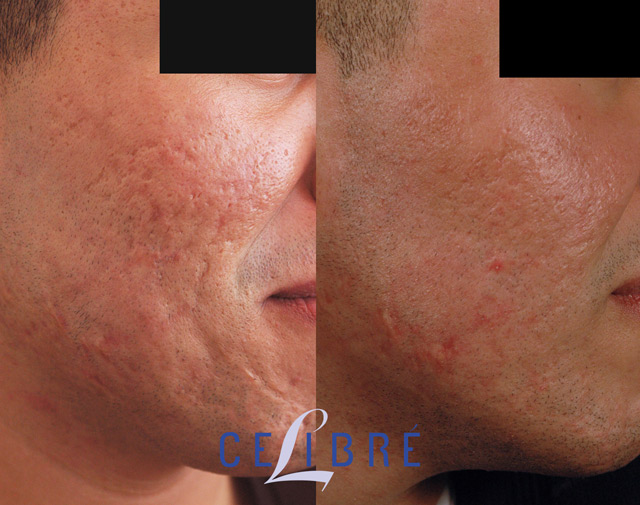
When home remedies and over-the-counter products do not provide satisfactory results, medical treatments performed by dermatologists can offer more advanced solutions for acne scars. These treatments are typically performed in a clinical setting and may require multiple sessions for optimal results.
Chemical Peels
Chemical peels involve the application of a chemical solution to the skin, which causes controlled exfoliation and peeling. This process helps improve skin texture, reduce the appearance of acne scars, and promote collagen production.
Microdermabrasion
Microdermabrasion is a non-invasive procedure that uses a specialized device to gently exfoliate the top layer of the skin. This treatment stimulates cell turnover, improves skin texture, and can help reduce the appearance of acne scars.
Microneedling
Microneedling, also known as collagen induction therapy, involves using tiny needles to create controlled micro-injuries in the skin. This process stimulates collagen production, improves overall skin texture, and can lead to a reduction in the appearance of acne scars.
Laser Resurfacing
Laser resurfacing treatments utilize laser technology to remove damaged skin cells and stimulate collagen production. This process can help reduce the appearance of acne scars, improve skin texture, and promote overall skin rejuvenation.
Prescription Options for Acne Scars
In some cases, prescription medications may be necessary to effectively treat acne scars. These options are typically prescribed by dermatologists and should be used under their supervision.
Tretinoin Cream
Tretinoin cream, a prescription-strength retinoid, is often used to treat various forms of acne, including acne scars. This medication promotes cell turnover, increases collagen production, and helps fade acne scars over time.
Corticosteroid Injections
Corticosteroid injections are commonly used for hypertrophic or keloid scars. These injections help reduce inflammation, flatten raised scars, and improve their appearance. Multiple sessions may be required for optimal results.
Dermal Fillers
Dermal fillers, such as hyaluronic acid-based fillers, can be used to fill in depressed or indented acne scars, giving the skin a smoother and more even appearance. Dermal fillers are injected under the skin’s surface to elevate the depressed area, providing temporary improvement in the appearance of scars.
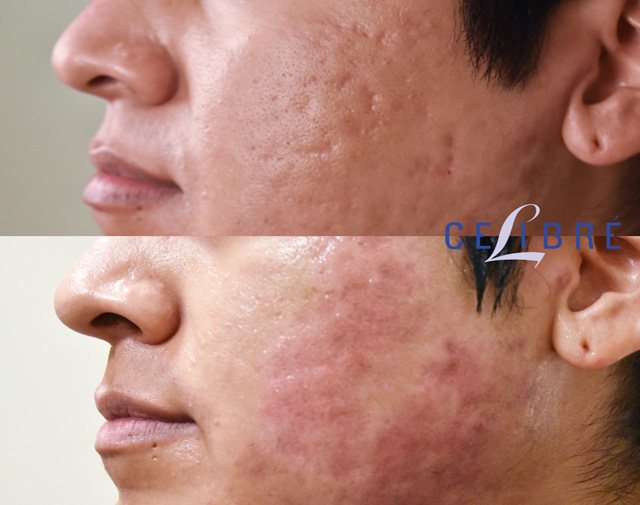
Dermatological Procedures for Acne Scars
Dermatological procedures are surgical interventions performed by dermatologists to treat more severe or stubborn acne scars.
Punch Excision
Punch excision is a surgical technique that involves removing deep ice pick or boxcar scars using a small biopsy punch or surgical instrument. After the scar is removed, the remaining wound is either stitched or left to heal naturally.
Subcision
Subcision is a procedure designed to release the fibrous bands that are responsible for tethering rolling acne scars to the underlying tissue. By breaking these bands, subcision allows the skin to regain its smoothness and reduces the appearance of rolling scars.
Dermabrasion
Dermabrasion utilizes a high-speed rotating device to remove the top layers of the skin, allowing new skin to grow in its place. This procedure is effective in reducing the appearance of acne scars, improving skin texture, and promoting collagen production.
Laser Therapy
Laser therapy for acne scars involves using specific laser wavelengths to target and remove damaged skin cells. This treatment helps stimulate collagen production, smooth out scars, and improve overall skin texture.
Combination Approaches for Acne Scars
Combining different treatment modalities can often yield better results for reducing the appearance of acne scars.
Multiple Treatment Modalities
In some cases, dermatologists may recommend combining various treatments to address different aspects of acne scars. For example, combining laser resurfacing with microneedling and chemical peels can provide comprehensive improvement in scar appearance.
Integrating Professional and Home Remedies
Incorporating professional treatments with home remedies and over-the-counter products can help enhance the overall effectiveness of acne scar reduction. Dermatologists can recommend specific home remedies and products that work well in conjunction with professional treatments.
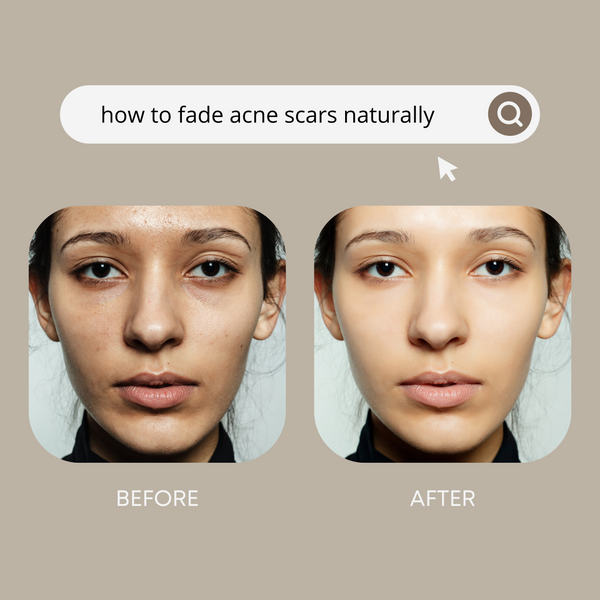
Natural Lifestyle Changes for Acne Scar Reduction
In addition to specific treatments, certain lifestyle changes can support the reduction of acne scars and promote overall skin health.
Diet Modification
Eating a balanced diet rich in fruits, vegetables, whole grains, and lean proteins can provide the necessary nutrients and antioxidants for healthy skin. Avoiding excessive consumption of processed foods, sugar, and dairy, which can contribute to inflammation and breakouts, may also be beneficial.
Hydration and Water Consumption
Staying hydrated plays a crucial role in maintaining healthy skin and supporting the body’s natural healing processes. Drinking an adequate amount of water daily can help flush out toxins, improve skin elasticity, and promote scar healing.
Stress Management
Chronic stress can disrupt hormonal balance and increase inflammation, potentially exacerbating acne breakouts and scarring. Practicing stress management techniques such as exercise, meditation, or engaging in hobbies can help reduce stress levels and promote overall well-being.
Adequate Sleep
Getting enough sleep is essential for skin repair and regeneration. During sleep, the body produces collagen and repairs damaged skin cells. Aim for 7-9 hours of quality sleep each night to support the healing process and minimize the appearance of acne scars.
When to Seek Professional Help
While many acne scars can be effectively treated with home remedies and over-the-counter products, there are instances where seeking professional help is necessary.
Severity of Acne Scars
If you have deep or severe acne scars that significantly impact your self-confidence or quality of life, it is advisable to consult with a dermatologist. They can assess the severity of your scars and recommend appropriate treatment options.
Persistent Scarring
If home remedies or over-the-counter products have not yielded significant improvements in your acne scars after a reasonable period, it may be beneficial to seek professional intervention. Dermatologists can provide more advanced treatments and tailor a plan specifically for your skin’s needs.
Impact on Mental or Emotional Well-being
Acne scars can affect an individual’s mental and emotional well-being, leading to decreased self-esteem and confidence. If acne scars are causing significant distress or affecting your overall quality of life, it is crucial to reach out to a dermatologist who can offer appropriate treatment options and support.
By understanding the different types of acne scars, their causes, and the various treatment options available, you can empower yourself to effectively reduce the appearance of acne scars. Whether through home remedies, over-the-counter products, or professional treatments, finding the right approach for your skin can help you achieve the clear and smooth complexion you desire. Remember to consult with a dermatologist to determine the best course of action for your individual needs and ensure the best possible outcomes.