Acne scars are a common concern for many people, and finding effective and natural ways to get rid of them can be a challenge. In this article, you will discover a range of holistic approaches that have been proven to work. By exploring these natural methods, you can effectively reduce the appearance of acne scars and regain your confidence.
Understanding Acne Scars
Acne scars are a common skin concern that many individuals face. They can be a result of severe acne breakouts or improper handling of acne lesions. Understanding the different types of acne scars is crucial in finding the right treatment approach.
Types of Acne Scars
There are several types of acne scars, including:
- Icepick Scars: These scars are deep and narrow, resembling small punctures on the skin’s surface.
- Boxcar Scars: Boxcar scars have well-defined edges and appear as round or oval depressions on the skin.
- Rolling Scars: These scars have a wave-like or rolling appearance and occur due to damage beneath the skin’s surface.
- Hypertrophic Scars: Hypertrophic scars are raised, thickened, and often reddish in color.
- Keloid Scars: Similar to hypertrophic scars, keloids are raised and extend beyond the original area of the acne lesion.
Understanding the specific type of acne scars you have can help determine the most effective treatment options for you.
Causes of Acne Scars
Acne scars form when there is damage to the skin’s collagen fibers. This damage usually occurs during the healing process of acne lesions. Several factors contribute to the formation of acne scars, including:
- Inflammation: Acne lesions that are accompanied by inflammation are more likely to result in scarring.
- Genetics: Some individuals have a genetic predisposition to develop acne scars more easily.
- Picking or Squeezing Pimples: Picking or squeezing pimples can cause further damage to the skin and increase the risk of scarring.
- Delay in Treatment: Not treating acne promptly can lead to more severe lesions and an increased chance of scarring.
Understanding the causes of acne scars can help in preventing their formation or seeking appropriate treatment options.
How Acne Scars Form
The formation of acne scars involves a complex process. During the healing process of an acne lesion, the body produces collagen to repair the damaged skin. However, if there is too little or too much collagen produced, it can result in the formation of scars. Acne scars can form when there is:
- Too Little Collagen: When there is a lack of collagen production during the healing process, depressions or indentations can form on the skin, such as icepick or boxcar scars.
- Too Much Collagen: Excessive collagen production can lead to raised scars, such as hypertrophic or keloid scars.
Understanding how acne scars form can help individuals make informed decisions about the most effective treatment approaches.
The Benefits of Holistic Approaches
When it comes to treating acne scars, many individuals are turning to holistic approaches that prioritize natural remedies over chemical treatments. Holistic approaches offer several benefits, ranging from being gentle on the skin to promoting overall well-being.
Why Choose Natural Remedies
Natural remedies are gaining popularity as they often avoid the use of harsh chemicals and synthetic ingredients. Choosing natural remedies for acne scars can provide the following benefits:
- Gentler on the Skin: Natural remedies are generally milder and less likely to cause irritation or adverse reactions.
- Less Risk of Side Effects: Chemical treatments may have side effects, whereas natural remedies are generally safe for most individuals.
- Sustainable and Environmentally Friendly: Natural remedies often make use of plant-based ingredients, which are more sustainable and environmentally friendly.
Opting for natural remedies can be a great choice for individuals looking for a gentle and sustainable approach to treating their acne scars.
Holistic vs. Chemical Treatments
Holistic treatments focus on treating the body as a whole, addressing possible underlying causes of acne scars. On the other hand, chemical treatments often target specific symptoms and may involve the use of harsh ingredients. The benefits of holistic treatments over chemical treatments include:
- Long-Term Results: Holistic approaches aim to treat the root causes of acne scars, potentially leading to longer-lasting results compared to chemical treatments.
- Overall Health Benefits: Holistic treatments prioritize overall well-being, promoting healthy lifestyle habits that can improve skin health and prevent future scarring.
- More Natural and Organic Ingredients: Holistic treatments often make use of natural and organic ingredients, reducing exposure to synthetic chemicals.
Choosing a holistic approach can provide individuals with a more comprehensive and sustainable solution for their acne scars.
Benefits of Holistic Approaches
Holistic approaches offer a range of benefits that make them an attractive option for individuals seeking natural and effective remedies for acne scars. Some of the key benefits include:
- Reduced Risk of Adverse Reactions: Natural remedies and holistic treatments are generally well-tolerated and have a lower risk of adverse reactions or allergies.
- Improved Overall Skin Health: Holistic approaches focus on improving overall skin health, leading to a more radiant and youthful complexion.
- Gentle and Nurturing: Holistic treatments prioritize gentle and nurturing care for the skin, promoting a sense of well-being and self-care.
By embracing holistic approaches, individuals can experience the advantages of a comprehensive and gentle treatment plan for their acne scars.
Daily Skin Care Routine
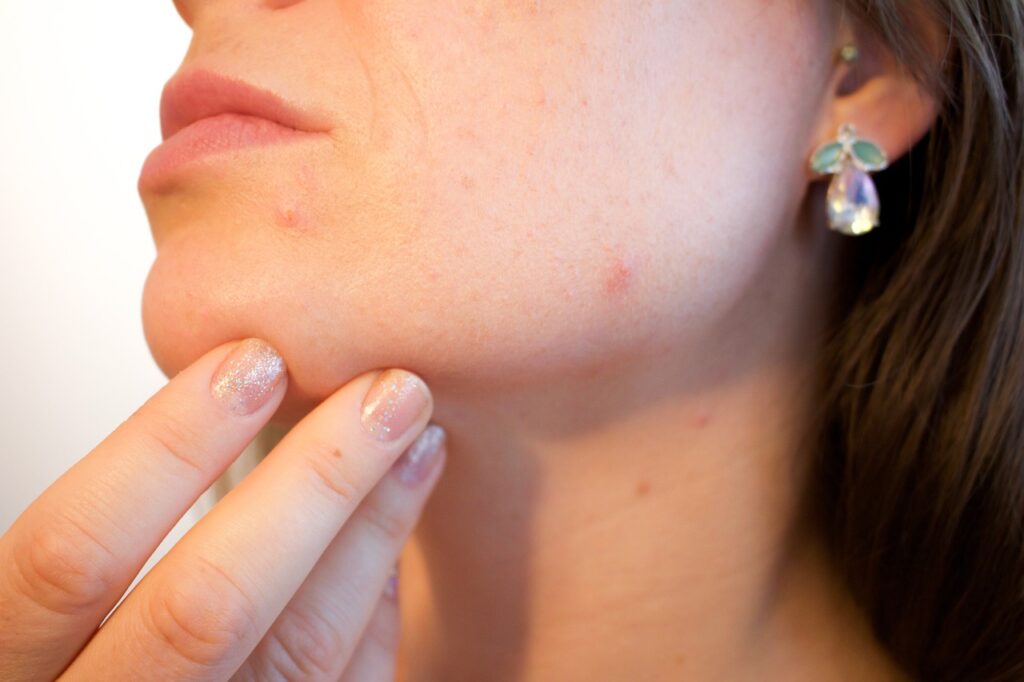
Maintaining a daily skincare routine is essential for promoting healthy skin and minimizing the appearance of acne scars. A consistent skincare regimen can prevent further damage, promote healing, and improve overall skin health.
Cleansing
Start your skincare routine with a gentle cleanser to remove dirt, excess oil, and impurities from the skin. Choose a cleanser that is suitable for your skin type, be it oily, dry, or combination. Avoid harsh cleansers that can strip the skin of its natural oils, as this may lead to increased inflammation and potential scarring.
Exfoliating
Regular exfoliation plays a vital role in reducing the visibility of acne scars. Exfoliating helps remove dead skin cells and promotes skin cell turnover, allowing new and healthy cells to emerge. However, it is crucial to use gentle exfoliants that are suitable for your skin type to avoid irritation or further damage to the skin.
Moisturizing
Keeping the skin well-hydrated is essential for its overall health and minimizing the appearance of acne scars. Choose a moisturizer that is lightweight and non-comedogenic to avoid clogging the pores. Look for ingredients like hyaluronic acid and ceramides, which help lock in moisture and support the skin’s natural barrier.
Protecting
Protecting the skin from harmful UV rays is crucial in preventing further damage and potentially worsening acne scars. Apply a broad-spectrum sunscreen with an SPF of 30 or higher daily, even on cloudy days. Opt for a sunscreen that is non-comedogenic and suitable for your skin type.
By incorporating a daily skincare routine that includes cleansing, exfoliating, moisturizing, and protecting, individuals can take proactive steps towards healthier skin and minimizing the appearance of acne scars.
Diet and Nutrition
What we eat can greatly impact our skin’s health, including the formation and healing of acne scars. Adopting healthy eating habits and making conscious food choices can support a clear and radiant complexion.
Healthy Eating Habits
Eating a balanced diet rich in vitamins, minerals, and antioxidants can promote skin health and improve the appearance of acne scars. Incorporate the following healthy eating habits into your daily routine:
- Stay Hydrated: Drink plenty of water throughout the day to keep the skin hydrated and support the natural healing process.
- Eat a Variety of Fruits and Vegetables: Fruits and vegetables are packed with antioxidants that can help repair and rejuvenate the skin.
- Include Healthy Fats: Omega-3 fatty acids found in foods like salmon, walnuts, and chia seeds have anti-inflammatory properties that can benefit the skin.
Foods to Avoid
Certain foods can trigger inflammation and worsen acne breakouts, potentially leading to more severe acne scars. Limit or avoid the following foods:
- Processed Foods: Processed foods high in refined sugars and unhealthy fats can contribute to inflammation and breakouts.
- Dairy Products: Dairy has been linked to acne breakouts in some individuals. Consider reducing your consumption or opting for non-dairy alternatives.
- High-Glycemic Index Foods: Foods with a high glycemic index, such as white bread, sugary drinks, and pastries, can increase blood sugar levels and promote acne development.
By adopting healthy eating habits and avoiding trigger foods, individuals can support their skin’s healing process and minimize the formation of acne scars.
Foods to Include
Incorporate the following nutrient-rich foods into your diet to support healthy skin and aid in the healing of acne scars:
- Leafy Greens: Spinach, kale, and other leafy greens provide vitamins A, C, and E, which are essential for skin health.
- Berries: Blueberries, strawberries, and other berries are rich in antioxidants that promote skin rejuvenation and healing.
- Probiotic-Rich Foods: Foods like yogurt, sauerkraut, and kimchi contain probiotics that support gut health, which in turn can improve skin conditions.
By including these skin-boosting foods in your diet, you can provide your body with the essential nutrients it needs to heal and minimize the appearance of acne scars.
Herbal Remedies
Herbal remedies have been used for centuries to treat various skin conditions, including acne scars. Harnessing the power of nature, these remedies can provide gentle yet effective solutions for improving the appearance of scars.
Aloe Vera
Aloe vera is a well-known plant with various healing properties. It has anti-inflammatory and wound-healing properties that can help reduce the appearance of acne scars. Apply aloe vera gel directly to the affected areas and leave it on for 10-15 minutes before rinsing off.
Tea Tree Oil
Tea tree oil is a powerful essential oil with antibacterial and anti-inflammatory properties. It can help prevent acne breakouts and promote the healing of scars. Dilute tea tree oil with a carrier oil, such as coconut oil, and apply it to the affected areas using a cotton swab.
Lavender Essential Oil
Lavender essential oil is known for its calming and soothing effects on the skin. It can help reduce inflammation and promote skin healing. Mix a few drops of lavender essential oil with a carrier oil and gently massage it into the acne scars.
These herbal remedies offer natural alternatives to chemical treatments and can be effective in improving the appearance of acne scars when used consistently and correctly.
Topical Treatments
There are several topical treatments that can be used to improve the appearance of acne scars. These treatments, often derived from natural ingredients, can provide targeted solutions for specific types of scars.
Coconut Oil
Coconut oil is a versatile natural remedy with moisturizing and healing properties. It can help reduce the redness and appearance of acne scars. Warm a small amount of coconut oil in your hands and gently massage it onto the affected areas until fully absorbed.
Apple Cider Vinegar
Apple cider vinegar has natural astringent properties that can help fade acne scars. Dilute apple cider vinegar with water and apply it to the scars using a cotton ball. Leave it on for a few minutes before rinsing off with water.
Honey
Honey is known for its antibacterial and moisturizing properties, making it beneficial for acne scars. Apply a thin layer of raw honey to the scars and leave it on for 15-20 minutes before rinsing off. Repeat this process regularly for best results.
Topical treatments like coconut oil, apple cider vinegar, and honey provide natural and targeted solutions for improving the appearance of acne scars. Consistency is key in achieving noticeable results.
Lifestyle Changes
In addition to skincare and topical treatments, certain lifestyle changes can greatly contribute to the healing of acne scars and the prevention of future scarring.
Stress Management
Chronic stress can worsen acne breakouts and delay the healing process of scars. Practice stress management techniques such as meditation, yoga, or deep breathing exercises to reduce stress levels and promote overall well-being.
Exercise
Regular physical activity promotes healthy blood circulation and helps flush out toxins, contributing to a healthier complexion. Engage in activities like jogging, swimming, or cycling to support the healing process of acne scars.
Adequate Sleep
Getting enough quality sleep is essential for the skin’s repair and rejuvenation process. Aim for 7-9 hours of uninterrupted sleep each night to optimize skin health and promote the healing of acne scars.
By making these lifestyle changes, individuals can support their skin’s healing process, reduce the risk of future scarring, and improve overall well-being.
Home Remedies
Home remedies offer cost-effective and easily accessible solutions for improving the appearance of acne scars. These remedies utilize common household ingredients that have been found to have beneficial effects on scar reduction.
Lemon Juice
Lemon juice contains natural exfoliating properties and vitamin C, which can help fade acne scars. Dilute fresh lemon juice with water and apply it to the scars using a cotton ball. Leave it on for a few minutes before rinsing off with water.
Baking Soda
Baking soda acts as a physical exfoliant, gently removing dead skin cells and promoting the growth of new skin cells. Mix baking soda with water to form a paste and gently massage it onto the scars. Rinse off with water after a few minutes.
Oatmeal Mask
Oatmeal has soothing and exfoliating properties that can help reduce the appearance of acne scars. Cook oatmeal according to package instructions, let it cool, and apply it as a mask to the scars. Leave it on for 15-20 minutes before rinsing off.
These simple home remedies can provide noticeable improvements in the appearance of acne scars when used consistently and as part of a comprehensive skincare routine.
Professional Treatments
For severe or stubborn acne scars, professional treatments performed by dermatologists or estheticians may be necessary. These treatments utilize advanced techniques and technologies to target specific types of scars and provide more intensive results.
Microdermabrasion
Microdermabrasion is a minimally invasive procedure that uses a special device to exfoliate the outer layer of the skin. This treatment helps reduce the appearance of acne scars by promoting the growth of new, healthy skin cells.
Chemical Peels
Chemical peels involve applying a chemical solution to the skin to remove the outer layers, revealing smoother and more even-toned skin. They can be effective in reducing the visibility of acne scars and improving the overall texture of the skin.
Laser Therapy
Laser therapy uses focused beams of light to target and stimulate collagen production in the skin. This treatment can help improve the appearance of acne scars by promoting skin remodeling and reducing scar visibility.
Professional treatments offer advanced solutions for individuals with more severe acne scars or those who desire faster and more dramatic results. It is important to consult with a qualified professional to determine the most suitable treatment option for your specific needs.
Preventing Future Scarring
Preventing future scarring is just as important as treating existing acne scars. By adopting certain preventive measures, individuals can minimize the risk of new scars and protect their skin’s health.
Gentle Skincare Products
Using gentle skincare products that are suitable for your skin type can help prevent further inflammation and potential scarring. Avoid harsh ingredients and opt for non-comedogenic options that won’t clog the pores.
Avoid Picking or Squeezing Pimples
Resist the temptation to pick or squeeze pimples, as this can further damage the skin and increase the risk of scarring. Instead, focus on gentle cleansing and treating acne breakouts with appropriate skincare products.
Sun Protection
Protecting the skin from harmful UV rays is crucial in preventing skin damage and potential scarring. Always apply a broad-spectrum sunscreen with an SPF of 30 or higher when going outdoors, even on cloudy days.
By incorporating these preventive measures into your skincare routine and daily habits, you can significantly reduce the risk of future scarring and maintain a healthy complexion.
In conclusion, understanding acne scars and the various treatment options available is key to finding effective solutions. Holistic approaches, such as natural remedies and lifestyle changes, can provide gentle and comprehensive care for acne scars. However, for more severe cases, professional treatments may be necessary. By adopting a daily skincare routine, paying attention to diet and nutrition, and exploring herbal remedies and topical treatments, individuals can take proactive steps towards improving the appearance of acne scars and maintaining healthy skin. Remember to consult with a healthcare professional or dermatologist to determine the most suitable treatment options for your specific needs and skin condition. With patience and consistency, you can achieve smoother and more radiant skin, free from the burden of acne scars.