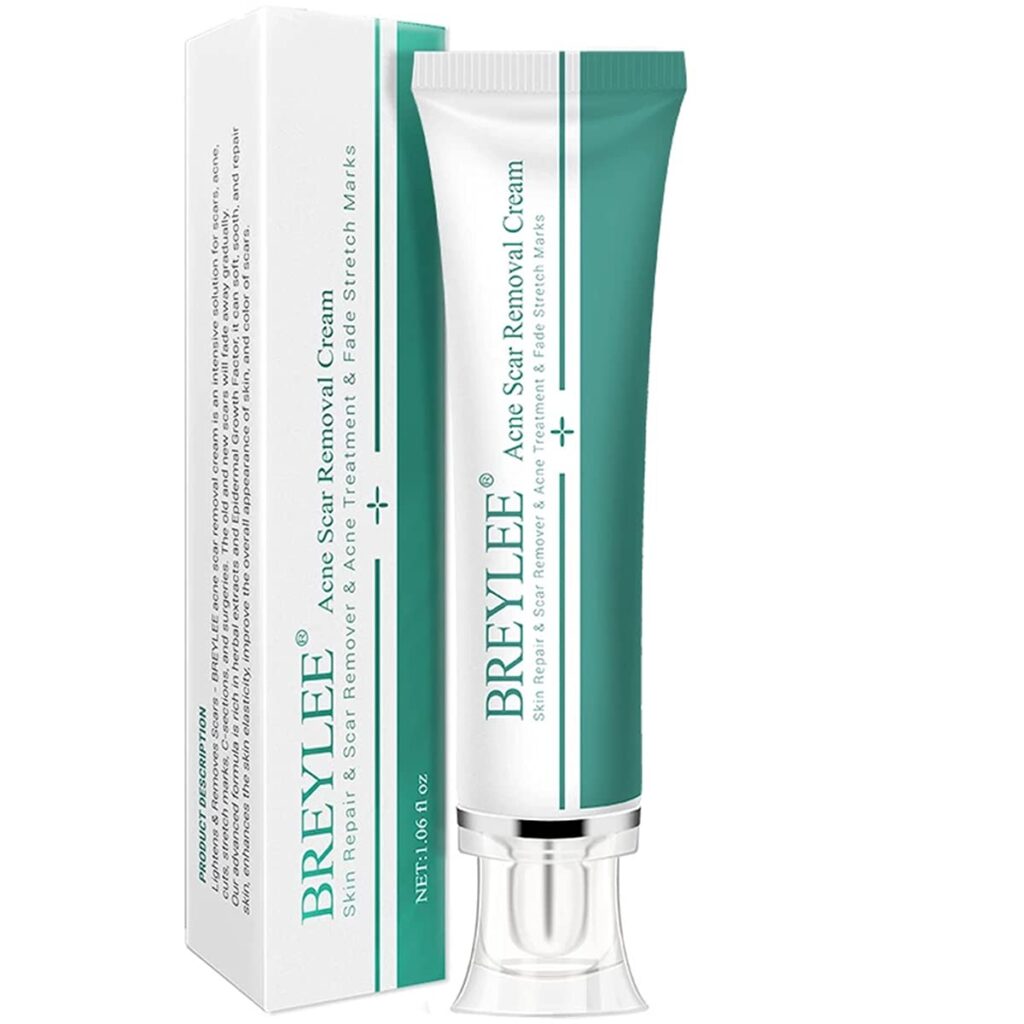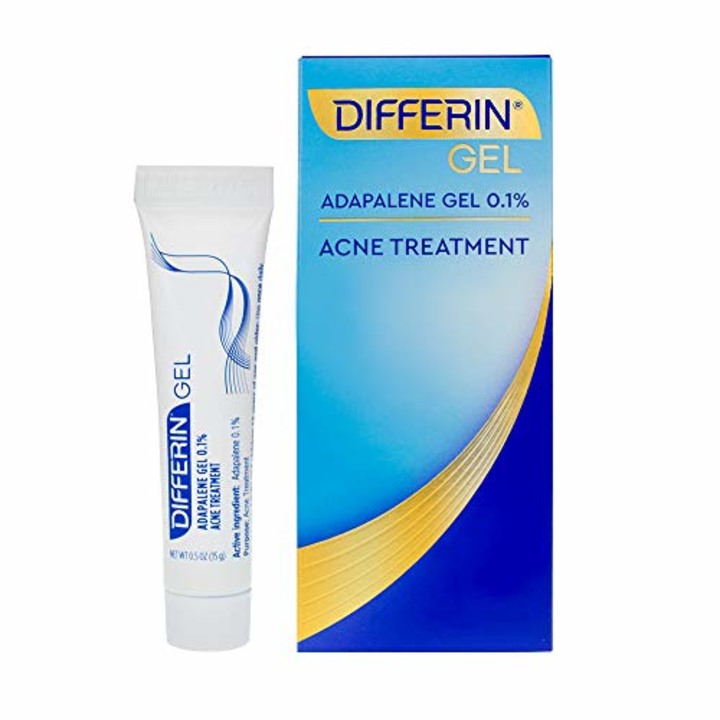
You’ve struggled with acne and now you’re left with stubborn scars that are affecting your self-confidence. But fear not, because in this article, we’ve got you covered with the top picks for acne scars creams that will help to reduce the appearance of those pesky reminders. Say goodbye to those frustrating marks and hello to smoother, more radiant skin. With our expert recommendations, you’ll be well on your way to achieving your desired complexion.
1. Introduction
Acne is a common skin condition that affects many individuals, both young and old. While acne itself can be distressing and uncomfortable, it is often the scars that are left behind that cause the most concern. These acne scars can negatively impact self-esteem and confidence, and many individuals are eager to find effective ways to reduce their appearance. In this article, we will explore the different types of acne scars, the causes behind their formation, and the importance of scar reduction. We will also delve into the world of acne scars creams, explaining how they work and highlighting key ingredients that are known to be effective. Finally, we will provide some useful tips for choosing the right acne scars cream, and showcase some top pick products in different price ranges. Additionally, we will touch upon natural remedies for scar reduction, providing an alternative for those who prefer a more organic approach.
2. Understanding Acne Scars
Before delving into scar reduction methods, it is important to understand the different types of acne scars and the factors that contribute to their formation.
2.1 Types of Acne Scars
There are two main types of acne scars: atrophic scars and hypertrophic scars. Atrophic scars are characterized by a depressed appearance and are often referred to as “ice pick” or “boxcar” scars. On the other hand, hypertrophic scars are raised and may appear as thick, lumpy patches on the skin.
2.2 Causes of Acne Scars
Acne scars are typically a result of severe or prolonged acne inflammation. When the skin’s follicles become clogged with excess oil, dead skin cells, and bacteria, it can lead to the formation of acne. In some cases, the inflammation caused by acne can damage the collagen fibers in the skin, resulting in the formation of scars.
2.3 Factors Affecting Scar Formation
Several factors can influence the formation of acne scars. These include the severity and duration of acne, your skin type, genetic predisposition, and the effectiveness of the treatment you received for acne. It is important to note that not everyone who experiences acne will develop scars, but for those who do, scar reduction becomes a priority.
3. Importance of Scar Reduction
Scar reduction is not just about improving the physical appearance of the skin, but also about addressing the psychological impact and physical discomfort associated with acne scars.
3.1 Psychological Impact
Acne scars can cause significant emotional distress and have a negative impact on self-confidence and self-esteem. Many individuals find themselves feeling self-conscious and may even avoid social situations or wearing certain types of clothing to hide their scars. By reducing the appearance of acne scars, individuals can regain their sense of self and improve their overall well-being.
3.2 Physical Discomfort
In addition to the psychological impact, acne scars can also cause physical discomfort. Raised scars, such as hypertrophic scars, can be itchy and uncomfortable. By reducing the scars, individuals can find relief from these physical symptoms and enjoy greater comfort in their daily lives.
3.3 Improved Skin Appearance
Acne scars can make the skin appear uneven, rough, and discolored. Scar reduction treatments aim to smooth out the skin’s texture, improve its tone, and reduce any discoloration. By doing so, individuals can achieve a more even and youthful complexion.
4. How Acne Scars Creams Work
Acne scars creams are formulated with ingredients that target the underlying causes of scar formation. These creams often contain a combination of active ingredients that work together to promote collagen production, reduce inflammation, and improve overall skin health.
When applied to the skin, acne scars creams penetrate the deeper layers and help to stimulate the production of collagen. Collagen is a protein that is essential for the skin’s structure and helps to promote healing and tissue regeneration. By increasing collagen production, acne scars creams can help to minimize the appearance of scars and create a smoother complexion.
Additionally, acne scars creams often contain ingredients that have anti-inflammatory properties. These ingredients help to reduce redness, swelling, and irritation, which are commonly associated with acne scars. By calming the inflammation, these creams can help to fade the scars and improve the overall appearance of the skin.
5. Key Ingredients in Acne Scars Creams
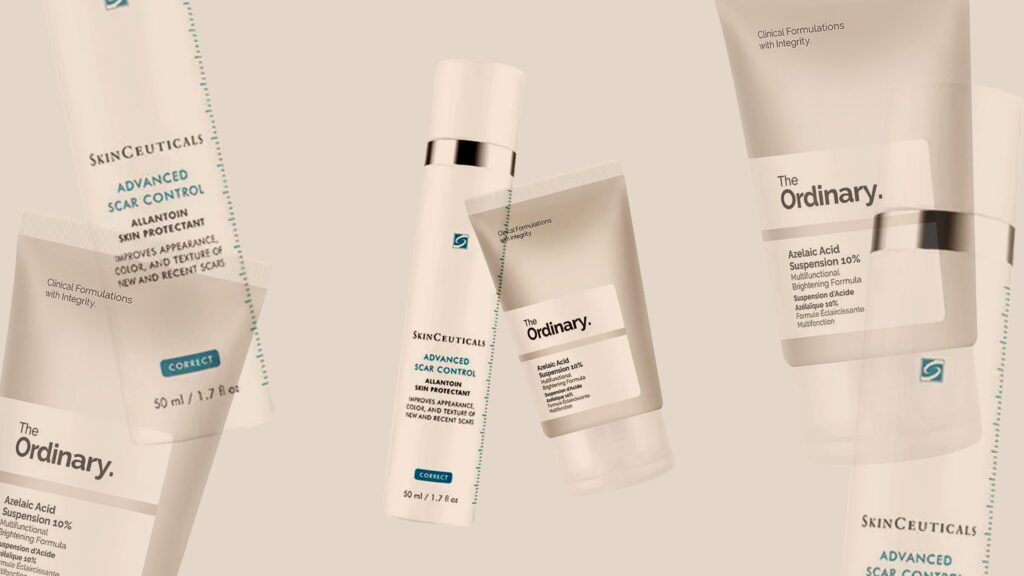
Acne scars creams contain a variety of key ingredients that are known for their scar reduction properties. Let’s take a closer look at some of these ingredients:
5.1 Retinol
Retinol is a derivative of vitamin A and is a common ingredient in many skincare products. It is known for its ability to increase collagen production, improve skin texture, and reduce the appearance of scars. Retinol helps to exfoliate the skin, promote cell turnover, and fade acne scars over time.
5.2 Vitamin C
Vitamin C is a powerful antioxidant that helps to brighten the skin, fade dark spots, and promote collagen synthesis. It also helps to protect the skin from free radicals, which can contribute to scar formation.
5.3 Hydroquinone
Hydroquinone is a skin-lightening ingredient that is commonly used to treat hyperpigmentation, including dark spots and acne scars. It works by inhibiting the production of melanin, the pigment responsible for skin color.
5.4 Alpha Hydroxy Acids (AHAs)
AHAs, such as glycolic acid and lactic acid, are exfoliating agents that help to remove dead skin cells, stimulate collagen production, and fade acne scars. They also help to improve the overall texture and tone of the skin.
5.5 Salicylic Acid
Salicylic acid is a beta-hydroxy acid that is known for its ability to exfoliate the skin and unclog pores. By removing dead skin cells and reducing oil production, salicylic acid can help to prevent acne breakouts and minimize the risk of developing new scars.
5.6 Niacinamide
Niacinamide, also known as vitamin B3, is a versatile ingredient that offers multiple benefits for the skin. It helps to reduce inflammation, regulate oil production, and improve the skin’s moisture barrier. Niacinamide also promotes collagen synthesis, which can help to minimize the appearance of acne scars.
5.7 Silicone
Silicone is a common ingredient in scar reduction products due to its ability to create a protective barrier over the skin. This barrier helps to lock in moisture, smooth out the skin’s texture, and improve the overall appearance of scars.
5.8 Allantoin
Allantoin is a naturally occurring compound that is known for its soothing and healing properties. It helps to reduce inflammation, promote cell regeneration, and improve the skin’s ability to retain moisture. Allantoin is often included in acne scars creams to help calm irritated skin and minimize the appearance of scars.
6. Tips for Choosing the Right Acne Scars Cream
With so many acne scars creams available in the market, it can be challenging to choose the right one for your needs. Here are some tips to help you make an informed decision:
6.1 Consultation with a Dermatologist
Before trying any new skincare product, it is always a good idea to seek advice from a dermatologist. They can assess your skin type, evaluate the severity of your scars, and recommend the most suitable treatment options for you. A dermatologist’s expertise can guide you towards the right acne scars cream for your specific needs.
6.2 Consideration of Skin Type
When choosing an acne scars cream, it is essential to consider your skin type. Different products are formulated for specific skin types, such as oily, dry, combination, or sensitive skin. Selecting a cream that is compatible with your skin type will help to ensure optimal results and minimize the risk of adverse reactions.
6.3 Checking for Key Ingredients
Read the product labels carefully and look for the key ingredients mentioned earlier, such as retinol, vitamin C, and hydroquinone. These ingredients have been clinically proven to be effective in reducing acne scars. It is also important to note any potential allergens or irritants that might be present in the product, especially if you have sensitive skin.
6.4 Reading Product Reviews
Take the time to research and read product reviews from other individuals who have used the acne scars creams you are considering. Their experiences and feedback can provide valuable insight into the product’s effectiveness, tolerability, and overall satisfaction. Look for reviews from individuals with similar skin types and scar concerns as your own.
6.5 Price and Affordability
Consider your budget when choosing an acne scars cream, as prices can vary greatly. While there are several high-end options available, there are also budget-friendly options that offer effective scar reduction. It is important to find a product that aligns with your budget without compromising on quality and efficacy.
7. Top Picks for Scar Reduction
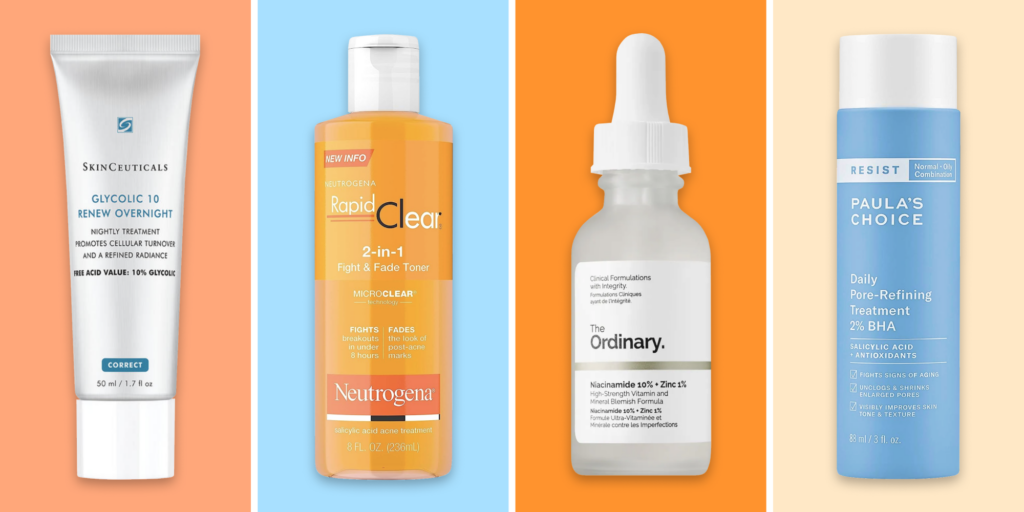
With the vast array of acne scars creams available, we understand that choosing the right one can be overwhelming. To make the selection process easier, we have curated a list of top picks for scar reduction in different price ranges. These products have received positive reviews and have been praised for their effectiveness in reducing the appearance of acne scars.
8. Budget-Friendly Options
If you are looking for effective scar reduction on a budget, consider the following products:
8.1 Product A
Product A is a highly-rated acne scars cream that contains a blend of active ingredients, including retinol, niacinamide, and vitamin C. This cream has been praised for its ability to fade acne scars, improve skin texture, and provide long-lasting hydration. It is non-comedogenic and suitable for all skin types.
8.2 Product B
Product B is a budget-friendly option that is specifically formulated to target atrophic scars. It contains a combination of retinol, silicone, and allantoin, which work together to stimulate collagen production and improve the appearance of scars. This cream is lightweight, non-greasy, and absorbs quickly into the skin.
8.3 Product C
Product C is a popular choice for those seeking affordable scar reduction. It features a unique blend of hydroquinone, vitamin C, and alpha hydroxy acids to help fade dark spots, even out skin tone, and minimize acne scars. This cream is suitable for all skin types and has a lightweight, non-irritating formula.
9. Mid-Range Options
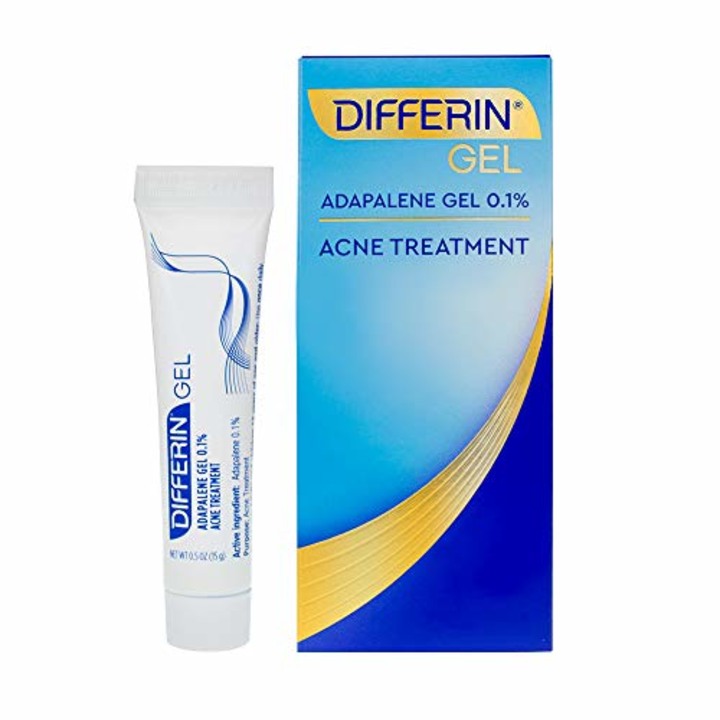
If you are willing to invest a bit more in scar reduction, consider the following mid-range products:
9.1 Product D
Product D is a dermatologist-recommended acne scars cream that combines the power of retinol, salicylic acid, and vitamin C. This cream is formulated to target both atrophic and hypertrophic scars, improving skin texture, reducing redness, and fading acne scars. It is suitable for all skin types and has a luxurious, non-greasy texture.
9.2 Product E
Product E is an effective acne scars cream that features a potent blend of hydroquinone, glycolic acid, and niacinamide. This cream is specifically formulated to fade dark spots, reduce inflammation, and improve skin tone. It is suitable for all skin types, but a patch test is recommended for those with sensitive skin.
9.3 Product F
Product F is a highly-rated mid-range option that is specially formulated to target boxcar scars. It contains a potent combination of retinol, silicone, and allantoin to stimulate collagen production and smooth out the skin’s texture. This cream is lightweight, non-greasy, and suitable for all skin types.
11. Natural Remedies for Scar Reduction
If you prefer a more organic approach to scar reduction, several natural remedies can help fade acne scars. While the effectiveness of these remedies may vary from person to person, they offer a gentle and holistic alternative for scar reduction.
11.1 Aloe Vera
Aloe vera is known for its soothing and healing properties. It can help to reduce inflammation, promote skin regeneration, and lighten the appearance of acne scars. Apply pure aloe vera gel to the affected areas and leave it on overnight for best results.
11.2 Coconut Oil
Coconut oil is rich in fatty acids and antioxidants, making it a popular choice for scar reduction. Massage virgin coconut oil onto the skin in circular motions to promote collagen synthesis and fade acne scars. It is important to note that coconut oil may not be suitable for all skin types, particularly if you have oily or acne-prone skin.
11.3 Tea Tree Oil
Tea tree oil has antibacterial and anti-inflammatory properties that can help to reduce redness, inflammation, and prevent the formation of new acne scars. Dilute tea tree oil with a carrier oil, such as jojoba oil, and apply it to the affected areas using a cotton swab.
11.4 Rosehip Seed Oil
Rich in vitamins, antioxidants, and fatty acids, rosehip seed oil can help to fade acne scars, improve skin tone, and boost collagen production. Massage a few drops of rosehip seed oil onto the skin in gentle, circular motions.
11.5 Lemon Juice
Lemon juice contains natural bleaching properties which can help to lighten the appearance of acne scars. However, lemon juice can be drying and may cause irritation for those with sensitive skin. Dilute lemon juice with water and apply it to the skin using a cotton ball. Avoid sun exposure after applying lemon juice as it can increase sensitivity to UV rays.
11.6 Honey
Honey is known for its antibacterial and wound-healing properties. Apply a thin layer of raw honey onto the affected areas and leave it on for 10-15 minutes before rinsing off. Honey can help to fade acne scars and promote overall skin health.
11.7 Apple Cider Vinegar
Apple cider vinegar has antimicrobial and exfoliating properties that can help to minimize the appearance of acne scars. Dilute apple cider vinegar with water and apply it to the skin using a cotton ball. Leave it on for a few minutes before rinsing off. It is essential to patch test apple cider vinegar as it may cause irritation for some individuals.
In conclusion, acne scars can have a significant impact on one’s self-esteem and overall well-being. Scar reduction is not only important for improving the appearance of the skin but also for addressing the psychological impact and physical discomfort associated with acne scars. Acne scars creams are an effective way to minimize the appearance of scars, thanks to their active ingredients that promote collagen production and reduce inflammation. When choosing an acne scars cream, it is important to consider your skin type, read product labels for key ingredients, and consult with a dermatologist if needed. Additionally, there are budget-friendly and mid-range options available for those with different budgets. For individuals who prefer a more natural approach, there are several natural remedies that can help fade acne scars, such as aloe vera, coconut oil, and rosehip seed oil. By incorporating scar reduction techniques into your skincare routine, you can regain your confidence and achieve a smoother, more even complexion.