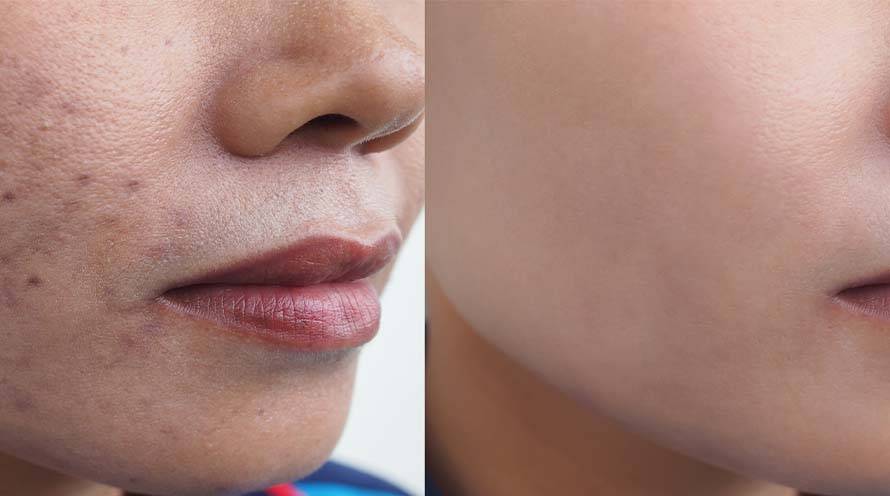
Have you ever wondered why those pesky acne scars seem to linger long after the acne itself has cleared up? In this article, we will explore the world of hyperpigmentation acne scars, shedding light on their causes and providing you with effective solutions. From discussing the factors that contribute to their formation to offering practical tips on how to minimize their appearance, this comprehensive guide aims to equip you with the knowledge and tools you need to confidently tackle hyperpigmentation acne scars. So, say goodbye to those stubborn reminders of past breakouts and say hello to a clearer, more even complexion.
What is Hyperpigmentation Acne Scars?
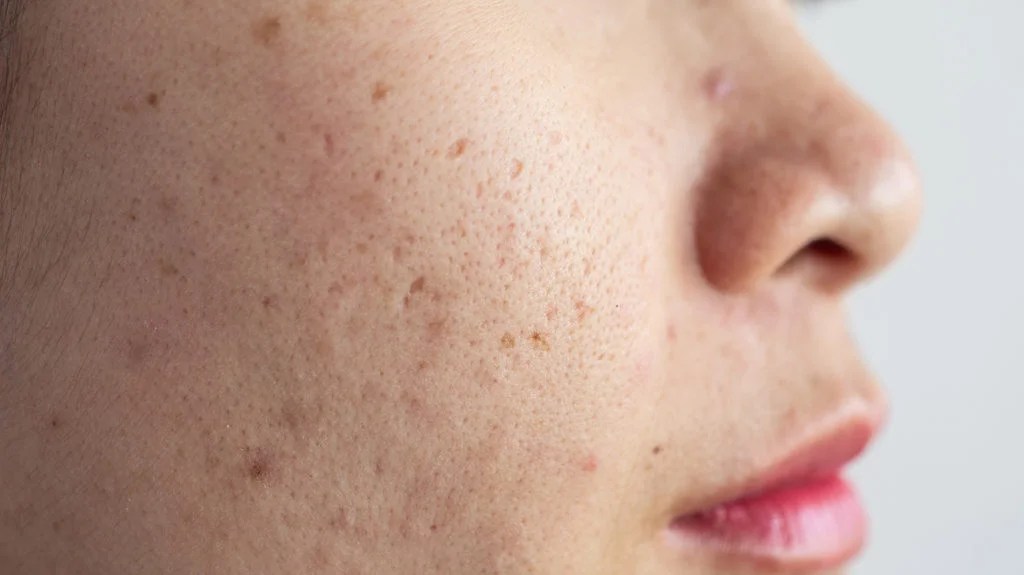
Hyperpigmentation acne scars are the dark spots or patches that remain on the skin after acne breakouts. They are caused by an increase in melanin production, which results in a darker pigmentation than the surrounding skin. These scars can be frustrating and impact a person’s self-confidence, but fortunately, there are various treatment options available to help fade and reduce their appearance. In order to effectively address hyperpigmentation acne scars, it is essential to understand the causes behind them.
Causes of Hyperpigmentation Acne Scars
1. Acne Breakouts
The primary cause of hyperpigmentation acne scars is the occurrence of acne breakouts. When pimples, whiteheads, or blackheads become inflamed or infected, they can damage the skin and lead to the formation of scars. The healing process of acne lesions often involves an overproduction of melanin, resulting in dark spots or patches on the skin.
2. Excessive Sun Exposure
Another common cause of hyperpigmentation acne scars is excessive sun exposure. The UV rays from the sun can stimulate the production of melanin, leading to darkening of existing acne scars and making them more prominent. Therefore, it is crucial to protect your skin from the sun by using sunscreen with a high SPF and wearing protective clothing, especially if you have acne-prone skin.
3. Hormonal Imbalances
Hormonal imbalances can also contribute to the development of hyperpigmentation acne scars. Fluctuations in hormone levels, particularly during puberty, pregnancy, or menopause, can increase the likelihood of acne breakouts and subsequent scarring. Certain hormonal conditions, such as polycystic ovary syndrome (PCOS), can further exacerbate hyperpigmentation acne scars.
4. Inflammatory Conditions
Inflammatory conditions, such as rosacea or eczema, can contribute to the formation of hyperpigmentation acne scars. These conditions cause inflammation and irritation in the skin, which can lead to the darkening of acne scars or the formation of new scars altogether. Proper management and treatment of these inflammatory conditions are essential to minimize the risk of hyperpigmentation acne scars.
5. Genetic Predisposition
Some individuals may be genetically predisposed to developing hyperpigmentation acne scars. Certain skin types, such as those with a higher concentration of melanin or a more sensitive skin barrier, are more prone to developing scars and hyperpigmentation. Understanding your genetic predisposition can help you take proactive measures to prevent or treat hyperpigmentation acne scars.
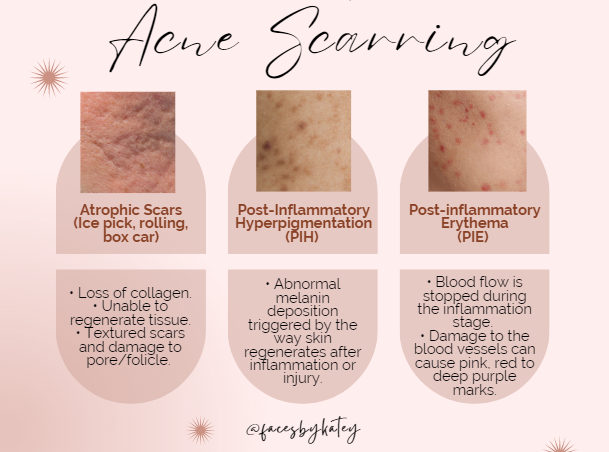
6. Post-Inflammatory Hyperpigmentation
Post-inflammatory hyperpigmentation is a common type of hyperpigmentation acne scar. It occurs when the skin produces excess melanin as a response to inflammation or injury. This can happen after an acne breakout, leaving behind dark spots that can persist for months or even years. While post-inflammatory hyperpigmentation is not a permanent scar, it can be challenging to fade without proper treatment.
Treatment Options for Hyperpigmentation Acne Scars
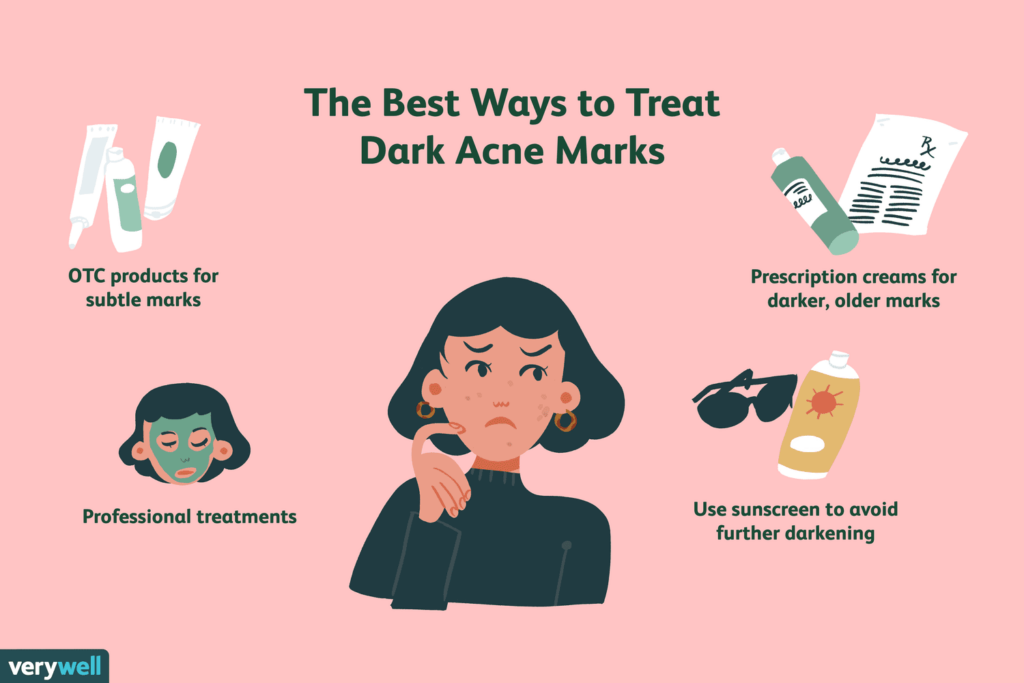
Fortunately, there are several treatment options available to help fade hyperpigmentation acne scars and improve the overall appearance of the skin. These treatments can be performed by dermatologists or skincare professionals and may include:
-
Topical Creams or Serums: Topical creams or serums containing ingredients like retinoids, hydroquinone, or vitamin C can help lighten the appearance of hyperpigmentation acne scars. These products work by reducing melanin production and promoting skin cell turnover, resulting in a more even-toned complexion.
-
Chemical Peels: Chemical peels are a cosmetic procedure in which a chemical solution is applied to the skin to exfoliate the outer layer. This process helps to improve the appearance of hyperpigmentation acne scars by promoting cell regeneration and revealing fresh, rejuvenated skin.
-
Laser Therapy: Laser therapy uses concentrated beams of light to target and break up the pigmented cells in hyperpigmentation acne scars. This treatment option can effectively reduce the appearance of scars and stimulate collagen production, resulting in smoother and more even skin.
-
Microdermabrasion: Microdermabrasion is a non-invasive procedure that gently exfoliates the skin using tiny crystals or a diamond-tipped wand. It helps to remove the outer layer of dead skin cells, including hyperpigmentation, and promote the growth of new skin cells.
-
Microneedling: Microneedling involves using a device with tiny needles to create microscopic punctures in the skin. This stimulates collagen production and helps to even out the skin tone, reducing the appearance of hyperpigmentation acne scars over time.
-
Dermal Fillers: In some cases, dermal fillers may be used to help improve the appearance of depressed or atrophic acne scars. These fillers are injected into the scar to plump it up and create a smoother skin surface.
It is important to consult with a dermatologist or skincare professional to determine the most suitable treatment option for your specific needs and skin type.
Conclusion
Hyperpigmentation acne scars can be a source of frustration and self-consciousness, but they are not permanent. Understanding the causes behind these scars is crucial in order to choose the most effective treatment options. By addressing factors such as acne breakouts, sun exposure, hormonal imbalances, and inflammatory conditions, you can minimize the risk of hyperpigmentation acne scars. Additionally, various treatment options, including topical creams, chemical peels, laser therapy, microdermabrasion, microneedling, and dermal fillers, can help fade the appearance of these scars and improve the overall complexion of your skin. Remember, always consult with a skincare professional to determine the best course of action for your individual needs. With the right treatment and care, you can regain confidence in your skin and achieve a more even-toned complexion.
