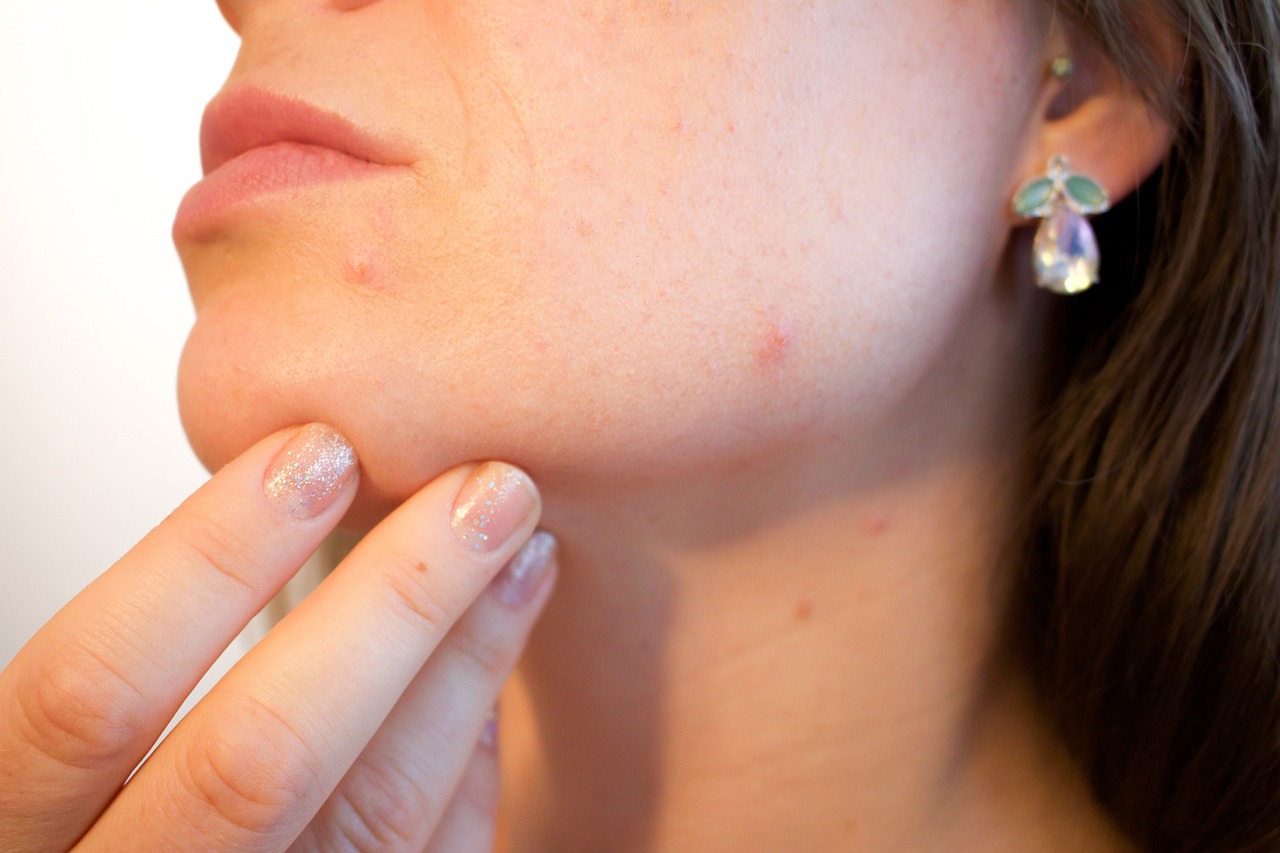
Are you tired of feeling self-conscious about the scars on your face? Facial scars can affect not only your physical appearance but also your confidence. Fortunately, there are various treatments available that can help you regain your confidence and improve the appearance of your skin. From laser therapy to microneedling, these treatments can reduce the visibility of scars and even promote natural skin regeneration. In this article, we will explore some of the most effective facial scar treatment options, giving you the knowledge and tools to revitalize your skin and boost your self-esteem.
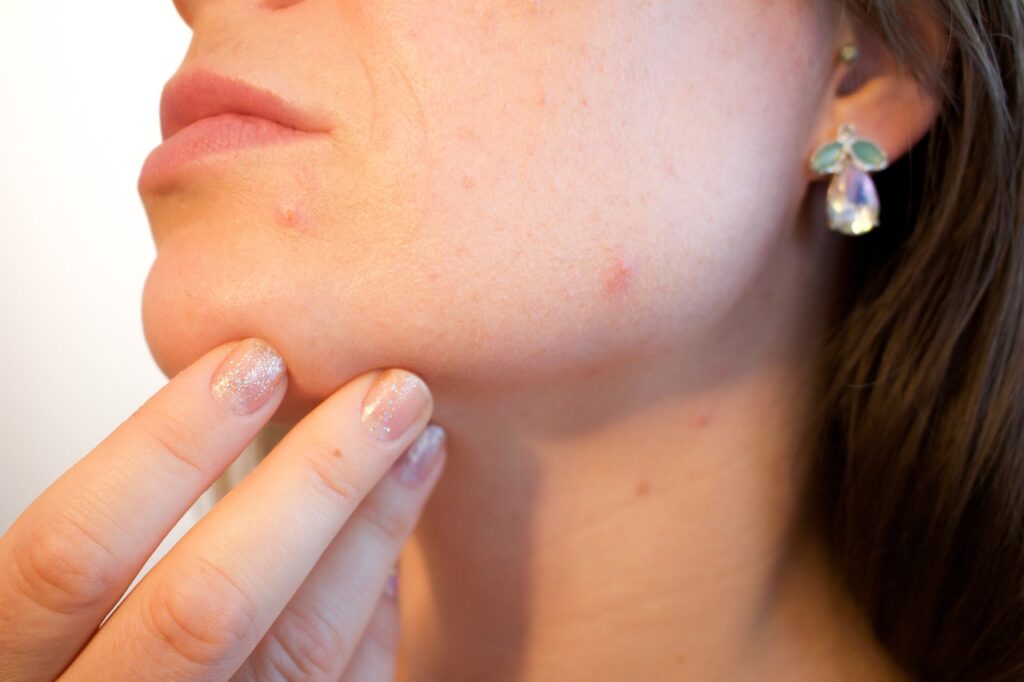
Understanding Facial Scars
Facial scars can be a result of various factors, including accidents, surgical procedures, or skin conditions such as acne. These scars can vary in appearance and severity, and it is important to understand the different types in order to effectively address them.
Different types of facial scars
There are several types of facial scars, each with its own characteristics. Atrophic scars are depressions or indentations in the skin, usually caused by acne or chickenpox. Hypertrophic scars, on the other hand, are raised and often appear red or pink. Keloid scars, which are similar to hypertrophic scars, extend beyond the original site of the injury and can be itchy or painful.
Causes of facial scarring
Facial scarring can occur due to a variety of reasons. Accidental injuries, such as cuts or burns, often result in scars. Additionally, surgical procedures, particularly those involving the skin or underlying tissue, may leave behind scars. Skin conditions like acne can also lead to facial scarring if not properly treated.
The emotional impact of facial scars
Facial scars can have a profound psychological and emotional impact on individuals. They may cause self-consciousness, lower self-esteem, or even depression. The visibility of facial scars can make social interactions challenging, leading to feelings of isolation. It is crucial to address both the physical and emotional aspects of scars in order to regain confidence and improve overall well-being.
Consulting with a Dermatologist
When seeking treatment for facial scars, it is important to consult with a qualified dermatologist who specializes in scar treatment. The expertise of a dermatologist can help determine the most suitable treatment options for your specific needs.
Finding a qualified dermatologist
Finding a qualified dermatologist may seem like a daunting task, but there are several resources available to help you in your search. You can ask for recommendations from your primary care physician or seek referrals from friends and family who have undergone scar treatments. Additionally, online directories and professional organizations can provide a list of dermatologists in your area.
Initial consultation and evaluation
During your initial consultation, the dermatologist will evaluate your facial scars and discuss your treatment goals. This evaluation may involve examining the scars, considering their characteristics, and assessing any underlying skin conditions. It is important to be open and honest about your concerns and expectations to ensure the best possible outcome.
Discussing treatment options
Once the evaluation is complete, the dermatologist will discuss the available treatment options with you. These options may vary depending on the type and severity of the scars, as well as your personal preferences. It is important to ask questions and gain a thorough understanding of each treatment option before making a decision.
Non-Invasive Scar Treatment Options
Non-invasive scar treatment options are generally considered the first line of defense in improving the appearance of facial scars. These treatments are minimally invasive and can often be performed in a dermatologist’s office or at home with topical products.
Topical creams and ointments
Topical creams and ointments containing ingredients such as silicone, vitamin E, or corticosteroids can be used to reduce the appearance of scars. These products work by hydrating the skin, promoting collagen production, and reducing inflammation. It is important to follow the dermatologist’s instructions and apply the creams or ointments regularly for optimal results.
Silicone sheets and gels
Silicone sheets and gels are another effective non-invasive treatment option for facial scars. These products create a protective barrier over the scar, allowing it to heal properly and minimizing its visibility. Silicone sheets should be applied directly to the scar and worn for several hours each day. Silicone gels can be applied directly to the scar and left on throughout the day.
Chemical peels
Chemical peels involve the application of a chemical solution to the skin, which exfoliates the top layer and stimulates the growth of new, healthier skin cells. This process can improve the appearance of facial scars by reducing their visibility and promoting smoother skin. Chemical peels can vary in intensity, and the dermatologist will determine the most suitable option for your specific needs.
Minimally Invasive Scar Treatment Options
In some cases, non-invasive treatments may not provide the desired results for facial scars. In such situations, minimally invasive treatments can be considered. These treatments are more advanced and typically require the assistance of a dermatologist or cosmetic surgeon.
Microdermabrasion
Microdermabrasion is a popular minimally invasive treatment option for facial scars. It involves the use of a handheld device that gently exfoliates the outer layer of skin, removing dead cells and encouraging the growth of new, healthier skin cells. This process can help reduce the visibility of scars and improve the overall texture of the skin.
Microneedling
Microneedling is a procedure that involves creating tiny punctures in the skin using a device with fine needles. This stimulates the body’s natural healing process, promoting collagen production and reducing the appearance of scars. Microneedling can be performed with a dermaroller or a pen-like device, and multiple sessions may be required for optimal results.
Laser therapy
Laser therapy is a highly effective minimally invasive treatment option for facial scars. It involves the use of laser technology to target and break down scar tissue, while also promoting collagen production. Laser therapy can help improve the texture, color, and overall appearance of scars. Different types of lasers may be used depending on the specific characteristics of the scars.
Surgical Scar Treatment Options
For severe or deeply embedded facial scars, surgical scar treatment options may be necessary. These procedures are typically performed by a plastic surgeon or a dermatologist with specialized training in scar revision.
Scar revision surgery
Scar revision surgery involves altering the scar to improve its appearance. This can be done through techniques such as excision, repositioning, or grafting. The specific approach will depend on the type and location of the scar. Scar revision surgery can significantly minimize the visibility of facial scars and provide more aesthetically pleasing results.
Z-plasty
Z-plasty is a surgical technique used to reposition scars and alter their direction. This involves creating triangular flaps of skin adjacent to the scar and rearranging them in a Z-shaped pattern. The purpose of this procedure is to redistribute tension along the scar and improve its overall appearance. Z-plasty can be particularly beneficial for facial scars that are wide or contractive.
Skin grafting
Skin grafting is a surgical procedure that involves taking healthy skin from one area of the body and transplanting it to the scarred area. This procedure is commonly used for larger or more substantial facial scars. Skin grafting can help improve the texture, color, and overall appearance of scars by replacing damaged skin with healthy tissue.
Combining Multiple Treatment Approaches
In many cases, combining multiple treatment approaches may yield the best results in addressing facial scars. Dermatologists may recommend a customized treatment plan that incorporates various non-invasive, minimally invasive, or surgical options based on the individual’s specific needs and scar characteristics.
Customized treatment plans
Every person’s facial scars are unique, and it is important to develop a customized treatment plan that takes into account the specific goals, preferences, and skin conditions of the individual. A dermatologist or plastic surgeon will assess the scars and recommend a combination of treatments that are most likely to provide optimal results.
Sequential treatment approach
Some individuals may benefit from a sequential treatment approach, where different treatments are performed in a specific order to achieve gradual improvement. For example, a person might start with non-invasive treatments, progress to minimally invasive options, and then consider surgical intervention if necessary. This approach allows for targeted treatment and adequate healing between procedures.
Choosing the right combination
Choosing the right combination of treatment options is crucial to successfully addressing facial scars. The dermatologist or plastic surgeon will consider various factors, such as scar type, size, and location, as well as the patient’s overall health and desired outcome. By carefully selecting and combining treatments, the goal is to maximize the effectiveness of scar treatment and achieve the best possible results.
Managing Scar Symptoms and Side Effects
During the scar treatment process, it is important to manage any symptoms or side effects that may arise. This can help ensure a smoother healing process and enhance overall comfort.
Managing pain and discomfort
Some scar treatment procedures may cause temporary discomfort or pain. The dermatologist or plastic surgeon will provide guidance on managing these symptoms, which may include over-the-counter pain relievers or prescription medications. It is important to follow the recommended dosage and seek medical advice if pain becomes severe or persists.
Preventing infection
Preventing infection is crucial during scar treatment. The healthcare provider will provide detailed instructions on how to keep the treated area clean and protected. This may involve using sterile dressings, washing the area with mild soap, and avoiding activities that could introduce bacteria into the wound. Proper wound care will minimize the risk of infection and promote optimal healing.
Addressing itching and inflammation
Itching and inflammation can be common side effects of scar treatments. The healthcare provider may recommend over-the-counter anti-itch creams or prescribe medications to alleviate these symptoms. It is important to avoid scratching or picking at the treated area, as this could disrupt the healing process and potentially worsen the appearance of scars.
Emotional Support and Self-Care
Dealing with facial scars can have a significant emotional impact, and it is essential to prioritize emotional support and self-care throughout the scar treatment journey.
Building a support network
Building a support network can provide invaluable emotional support during the scar treatment process. Reach out to loved ones, friends, or support groups who can provide understanding, encouragement, and a safe space to express your feelings. Having a strong support system can help alleviate feelings of isolation and boost self-confidence.
Seeking professional counseling
In some cases, professional counseling or therapy may be beneficial for individuals struggling with the emotional impact of facial scars. A mental health professional can provide guidance, coping strategies, and support to help manage the psychological challenges associated with scars. Don’t hesitate to seek professional help if needed.
Practicing self-care
Practicing self-care is essential in nurturing your overall well-being during scar treatment. Take time to engage in activities that bring you joy, relaxation, and fulfillment. This can include hobbies, exercise, meditation, or pampering yourself with self-care practices. By prioritizing self-care, you can enhance your overall quality of life and boost your self-confidence.
Post-Treatment Care and Follow-up
After undergoing scar treatment, proper post-treatment care and follow-up are crucial to achieve optimal results and ensure long-term success.
Proper wound care
Following the scar treatment, it is important to diligently follow the healthcare provider’s instructions for post-treatment wound care. This may include cleaning the treated area, applying prescribed medications or ointments, and avoiding activities that could disrupt the healing process. Consistent and proper wound care will help promote optimal healing and minimize the risk of complications.
Protecting your skin from the sun
Protecting your skin from the sun’s harmful rays is essential in maintaining the improvements achieved through scar treatment. Sun exposure can cause pigmentation changes and make scars more noticeable. It is important to use broad-spectrum sunscreen with a high SPF, wear protective clothing, and seek shade when the sun is at its strongest.
Tracking progress and results
Keeping track of your progress and results can be empowering and motivating during the scar treatment journey. Take before-and-after photographs to visually monitor improvements in scar appearance. Additionally, document any changes or improvements in texture, color, or overall visibility as you continue with follow-up appointments. By tracking your progress, you can celebrate milestones and stay positive throughout the process.
Real-Life Success Stories
Real-life success stories can serve as inspiration and encouragement for individuals undergoing scar treatment. Hearing from others who have gone through similar experiences and achieved positive outcomes can provide a sense of hope and motivation.
Interview with a scar treatment patient
In an interview with a scar treatment patient, we can gain valuable insights into their experience and the impact scar treatment has had on their life. They can share their journey, any challenges they faced, and the positive results they achieved. These personal stories can resonate with readers and offer reassurance that scar treatment can make a significant difference.
Before-and-after photographs
Before-and-after photographs can visually demonstrate the transformative effects of scar treatment. These images showcase the progress and improvements achieved, providing tangible evidence of the effectiveness of various treatment options. Before-and-after photographs can inspire and instill confidence in individuals considering scar treatment.
Inspirational testimonials
Inspirational testimonials from individuals who have successfully undergone scar treatment can offer words of encouragement and motivation to those embarking on their own scar treatment journey. These testimonials often highlight the positive impact of treatment on self-esteem, confidence, and overall quality of life. Reading about others’ experiences can provide hope and reinforce the belief that facial scars can be effectively addressed.
In conclusion, facial scars can have a significant impact on an individual’s self-esteem, emotional well-being, and overall quality of life. However, there are a variety of treatment options available to help minimize the visibility of facial scars and regain confidence in your skin. By consulting with a qualified dermatologist, exploring non-invasive, minimally invasive, or surgical treatments, and prioritizing post-treatment care and emotional support, individuals can achieve positive outcomes and embrace their journey towards regaining confidence in their skin. Remember, everyone deserves to feel comfortable and confident in their own skin, and facial scar treatment can help you get there.