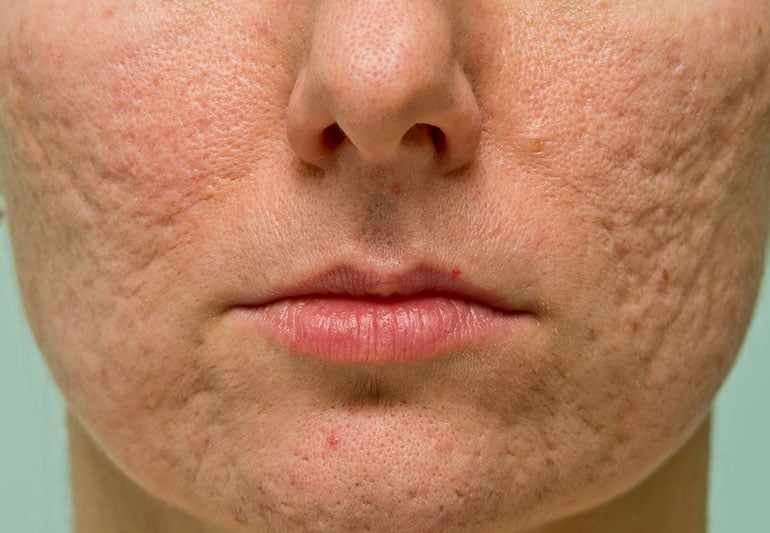
Are you tired of dealing with those pesky pimple scars that just won’t go away? Well, look no further! In this article, we will be discussing some proven strategies for scar reduction specifically focused on pimple scars. Say goodbye to those stubborn reminders of past breakouts and hello to smoother, clearer skin. Get ready to regain your confidence and learn how to effectively reduce pimple scars once and for all.
Understanding Pimple Scars and Scar Reduction
Pimples are a common skin issue that most people experience at some point in their lives. While the pimples themselves can be frustrating enough, the lingering scars they leave behind can be even more bothersome. Pimple scars can range from shallow marks to deep indentations, and they can significantly affect your self-confidence. Understanding the different types of pimple scars, the causes of pimple scarring, and why reducing pimple scars is important is essential for finding the right strategies to minimize their appearance.
Different Types of Pimple Scars
There are various types of pimple scars, and each type has its own unique characteristics. The most common types include:
-
Ice Pick Scars: These scars are characterized by narrow, deep pits that resemble holes caused by an ice pick or a needle. Ice pick scars are often the result of deep, severe acne.
-
Boxcar Scars: Boxcar scars are round or oval depressions with sharply defined edges. They are wider than ice pick scars and may resemble chickenpox scars.
-
Rolling Scars: Rolling scars have a wavy or undulating appearance. They are caused by fibrous tissue bands that form beneath the skin, pulling the surface downward.
-
Hypertrophic or Keloid Scars: These scars occur when the body produces too much collagen during the healing process. They are raised, thickened, and can extend beyond the borders of the original pimple.
Causes of Pimple Scarring
Pimple scars can develop due to various factors. It is important to understand these causes to prevent further scarring and effectively reduce existing scars. The main causes of pimple scarring include:
-
Inflammation: When a pimple becomes inflamed and filled with pus, it puts pressure on the surrounding skin, leading to damage and scarring.
-
Picking or Squeezing Pimples: Popping or squeezing pimples can rupture the follicle wall, causing the contents of the pimple to spill into the surrounding skin. This can lead to inflammation and scarring.
-
Genetics: Some individuals are more prone to developing pimple scars due to their genetic makeup. If your parents or close relatives have a history of scarring, you may be more likely to experience the same.
Why Reducing Pimple Scars is Important
Reducing pimple scars is essential for both physical and emotional reasons. While pimple scars may not pose a significant health risk, they can have a profound impact on one’s self-esteem and confidence. Having smooth, scar-free skin can help you feel more comfortable and confident in your appearance. Additionally, pimple scars can remind you of past acne breakouts, perpetuating negative emotions and affecting your overall well-being. By actively working to reduce pimple scars, you can improve your skin’s texture and minimize the prominence of these marks, ultimately boosting your self-confidence and quality of life.
Preventing Pimple Scars
While it is not always possible to prevent pimple scars entirely, there are several preventive measures you can take to minimize their likelihood. By adopting proper skincare habits and protecting your skin, you can reduce the chances of developing pimple scars.
Treating Acne Properly
One of the most important steps in preventing pimple scars is treating acne properly. Avoid picking or squeezing your pimples, as this can lead to further inflammation and damage to the skin. Instead, opt for gentle cleansing techniques and non-irritating acne treatments. Use products specifically formulated for acne-prone skin and follow a consistent skincare routine to keep your skin clean and healthy.
Avoiding Picking or Squeezing Pimples
As tempting as it may be, resist the urge to pick or squeeze your pimples. Picking at a pimple not only increases the risk of scarring but also introduces bacteria and dirt into the pore, potentially leading to more breakouts. Instead, allow the pimple to heal naturally, or seek professional advice for safe and effective removal.
Using Non-Comedogenic Skincare Products
Non-comedogenic skincare products are formulated to avoid clogging the pores, which can contribute to the formation of pimples and subsequent scarring. Look for cosmetics, cleansers, and moisturizers labeled as non-comedogenic to ensure that your skincare routine does not exacerbate acne and increase the likelihood of scarring.
Protecting Your Skin from Sun Damage
Exposure to the sun’s harmful UV rays can worsen the appearance of pimple scars and make them more noticeable. To protect your skin, always apply a broad-spectrum sunscreen with a high SPF before going outside. Wearing a hat and seeking shade during peak sun hours can also help minimize sun damage and prevent further darkening of scars.
Proven Strategies for Pimple Scar Reduction
Reducing pimple scars is not an overnight process, but with the right strategies, you can achieve noticeable improvements in their appearance. From over-the-counter scar treatments to medical procedures and home remedies, there are numerous options to choose from.
Over-the-Counter Scar Treatments
Over-the-counter scar treatments can be an effective first-line approach for those looking to reduce pimple scars without professional intervention. These treatments typically contain key ingredients like silicone, vitamin C, or retinoids, which can help improve the texture and color of scars. Common forms of over-the-counter scar treatments include: